These records are found in the online catalog of The Mariners’ Museum and Park in Newport News, Virginia. Uncurated search results are presented to give researchers and interested readers an idea of whether the museum’s archives contain information about this vessel and whether it may be worthwhile to visit the museum’s catalog search page for further investigation. Uncurated results may be inaccurate or incomplete.
Mariners Museum online catalog search, July 12, 2026. Search phrase: "Reliance". Catalog returned 90 records; this selection table includes 90 records fetched through catalog result pages.
Use these buttons to send uncurated search results to your own app or text document for further research. First, check the box for any row, or click "Select All" then uncheck any rows. Then click "Show Selections". You can then copy your selections from the text box and past them into your app.
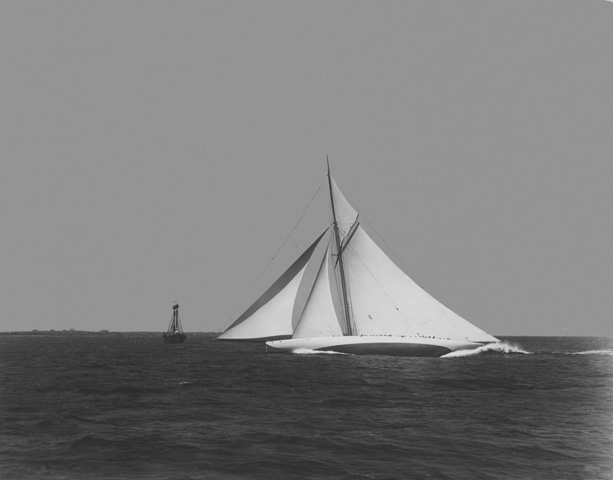
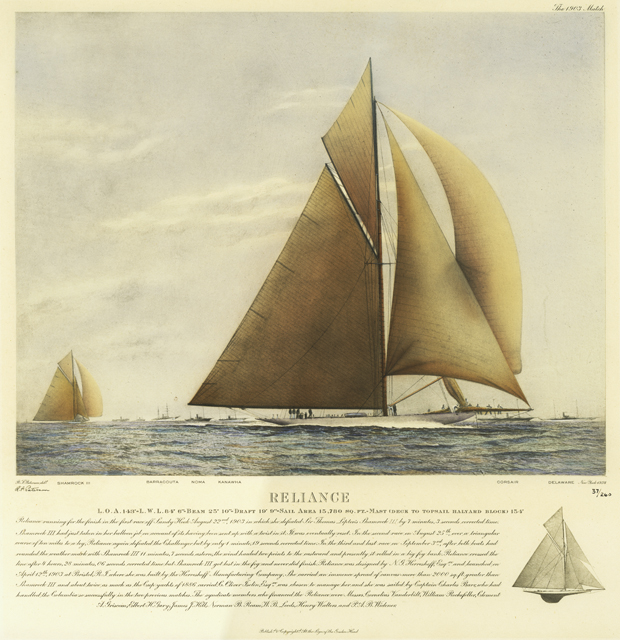
NOTES: The 1903 America's Cup, the 12th challenge for the Cup. It took place in the New York City harbor and consisted of a best of five series of races between Reliance, the fourth of Nathanael Herreshoff's defenders for the cup, entered by the New York Yacht Club; and Shamrock III, representing the Royal Ulster Yacht Club and also the third of Sir Thomas Lipton's Cup challengers. Reliance successfully defended the Cup winning the first three races. VESSEL INFORMATION: VESSEL NAME: RELIANCE VESSEL TYPE: YACHT VESSEL BUILT: 1903 DESIGNER: NATHANAEL HERRESHOFF BUILDER: HERRESHOFF MANUFACTURING COMPANY BUILDER LOCATION: BRISTOL, RHODE ISLAND DIMENSIONS: 143’8” length overall, 89’8” waterline length, 25’8” beam, 20’6” draft, 140 tons displacement SHIPOWNER: C. Oliver Iselin and syndicate CAPTAIN: CHARLES BARR HOME PORT: NEW YORK, NEW YORK; NEW YORK, MANHASSET BAY SCRAP DATE: One month after the race was completed VESSEL HISTORY: Reliance was a giant. Although her waterline length was 90 feet, large overhangs at the bow and stern which increased its waterline when sailing from 90’ to over 131’—a tremendous source of speed. Reliance had a highly polished Tobin bronze hull reduced frictional resistance by an astounding 10%. Reliance’s thin 102-ton deep plunging fin-shaped keel counterbalanced its 196-foot tall mast and carried 16,159 square feet of sail. Reliance was fitted with many new innovations like a steel-welded mast with telescopic topmast; two wheels, one with a foot brake to give the helmsman a break; ingeniously designed winches dotted Reliance’s deck in order to handle the enormous loads generated by its large, specially-designed sails; and a hollow rudder that could be filled or emptied of water to help balance the steering.
NOTES: The 1903 America's Cup, the 12th challenge for the Cup. It took place in the New York City harbor and consisted of a best of five series of races between Reliance, the fourth of Nathanael Herreshoff's defenders for the cup, entered by the New York Yacht Club; and Shamrock III, representing the Royal Ulster Yacht Club and also the third of Sir Thomas Lipton's Cup challengers. Reliance successfully defended the Cup winning the first three races. NOTES: Charles J. A. Wilson was born in 1880 in Glasgow, Scotland. He came to America as an infant and in his teens moved to Newton, Massachusetts. Wilson was a prolific, self-taught, marine artist who gained much of his experience from working in the Boston shipyards. He worked as an artist for Bethlehem Shipbuilding in East Boston, etching their ships from blueprints. During the World War I, Wilson spent two years in France. After the war he was commissioned to paint and etch American ships and marine views. During World War II, Wilson worked in Boston as an official Coast Guard artist. He was a member of the Boston Society of Printmakers, and exhibited with Pennsylvania Academy of the Fine Arts, Society of American Etchers and the Currier Gallery. VESSEL INFORMATION: VESSEL NAME: RELIANCE VESSEL TYPE: YACHT VESSEL BUILT: 1903 DESIGNER: NATHANAEL HERRESHOFF BUILDER: HERRESHOFF MANUFACTURING COMPANY BUILDER LOCATION: BRISTOL, RHODE ISLAND DIMENSIONS: 143’8” length overall, 89’8” waterline length, 25’8” beam, 20’6” draft, 140 tons displacement SHIPOWNER: C. Oliver Iselin and syndicate CAPTAIN: CHARLES BARR HOME PORT: NEW YORK, NEW YORK; NEW YORK, MANHASSET BAY SCRAP DATE: One month after the race was completed VESSEL HISTORY: Reliance was a giant. Although her waterline length was 90 feet, large overhangs at the bow and stern which increased its waterline when sailing from 90’ to over 131’—a tremendous source of speed. Reliance had a highly polished Tobin bronze hull reduced frictional resistance by an astounding 10%. Reliance’s thin 102-ton deep plunging fin-shaped keel counterbalanced its 196-foot tall mast and carried 16,159 square feet of sail. Reliance was fitted with many new innovations like a steel-welded mast with telescopic topmast; two wheels, one with a foot brake to give the helmsman a break; ingeniously designed winches dotted Reliance’s deck in order to handle the enormous loads generated by its large, specially-designed sails; and a hollow rudder that could be filled or emptied of water to help balance the steering.
SHORT DESCRIPTION: Two pencil sketches, HERCULES. (obverse) RELIANCE (reverse) NOTES: These sketches may be from Sketchbook 80B which is not in our collection. VESSEL INFORMATION: VESSEL NAME: HERCULES VESSEL TYPE: SCREW TUG DATE BUILT: 1905 BUILDER LOCATION: TOMKINS COVE, NEW YORK HOMEPORT: NEW YORK, NEW YORK VESSEL DIMENSIONS: 93.0' x 24.8' x 9.6; 163 gross tons FLAG: AMERICAN VESSEL INFORMATION: VESSEL NAME: RELIANCE VESSEL TYPE: SCREW TUG DATE BUILT: 1873- BUILDER LOCATION: GREENPOINT, NEW YORK HOMEPORT: PROVIDENCE VESSEL DIMENSIONS: 85.2' x 20.8' x 8.5; 75 gross tons FLAG: AMERICAN
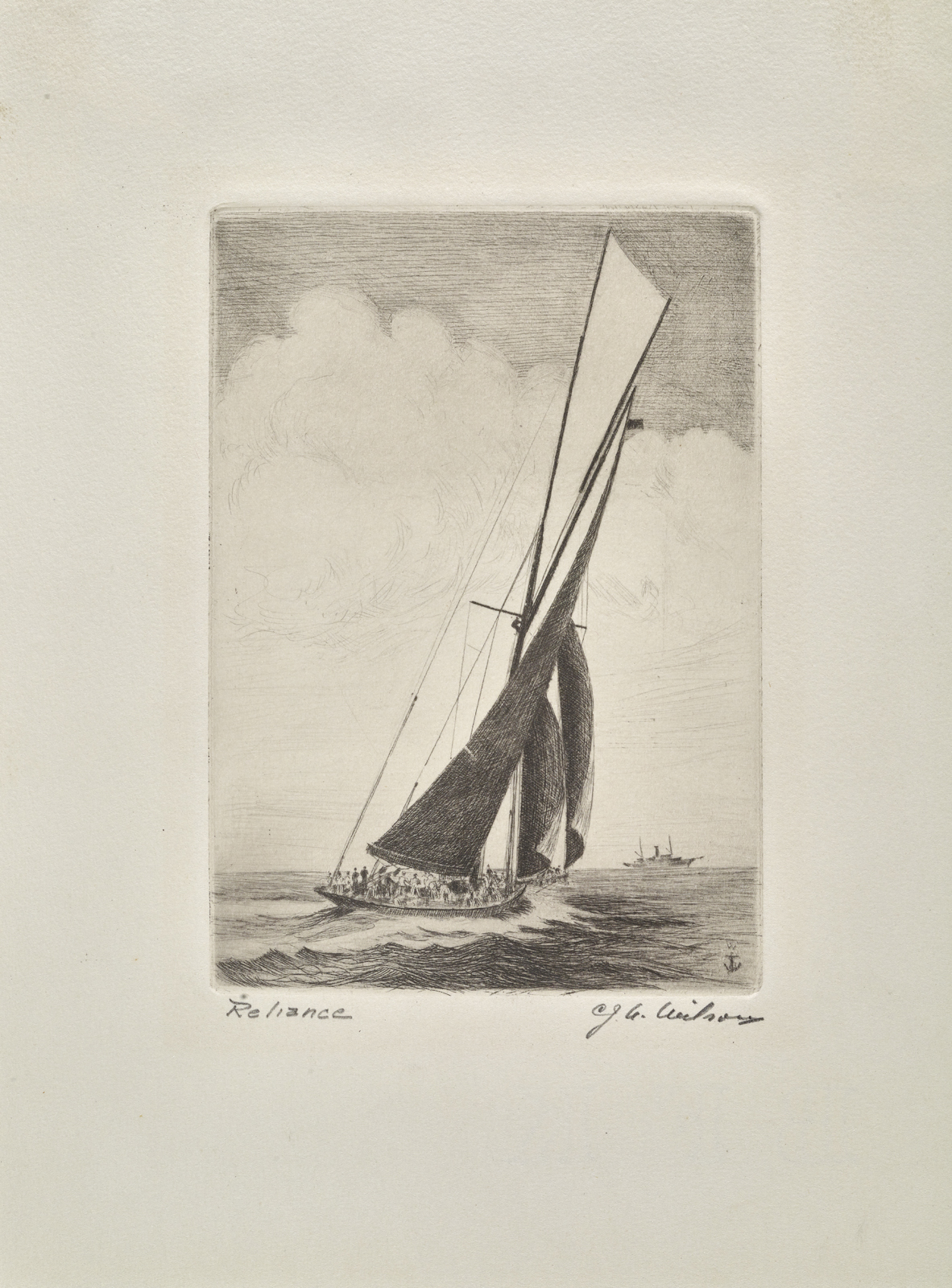
NOTES: Etchings depict various well known yachts of early twentieth century, and were executed between 1929 and 1933. They are a superb group of aquatints....John O. Sands, April 13, 1982 NOTES: The 1903 America's Cup, the 12th challenge for the Cup. It took place in the New York City harbor and consisted of a best of five series of races between Reliance, the fourth of Nathanael Herreshoff's defenders for the cup, entered by the New York Yacht Club; and Shamrock III, representing the Royal Ulster Yacht Club and also the third of Sir Thomas Lipton's Cup challengers. Reliance successfully defended the Cup winning the first three races. VESSEL INFORMATION: VESSEL NAME: RELIANCE VESSEL TYPE: YACHT VESSEL BUILT: 1903 DESIGNER: NATHANAEL HERRESHOFF BUILDER: HERRESHOFF MANUFACTURING COMPANY BUILDER LOCATION: BRISTOL, RHODE ISLAND DIMENSIONS: 143’8” length overall, 89’8” waterline length, 25’8” beam, 20’6” draft, 140 tons displacement SHIPOWNER: C. Oliver Iselin and syndicate CAPTAIN: CHARLES BARR HOME PORT: NEW YORK, NEW YORK; NEW YORK, MANHASSET BAY SCRAP DATE: One month after the race was completed VESSEL HISTORY: Reliance was a giant. Although her waterline length was 90 feet, large overhangs at the bow and stern which increased its waterline when sailing from 90’ to over 131’—a tremendous source of speed. Reliance had a highly polished Tobin bronze hull reduced frictional resistance by an astounding 10%. Reliance’s thin 102-ton deep plunging fin-shaped keel counterbalanced its 196-foot tall mast and carried 16,159 square feet of sail. Reliance was fitted with many new innovations like a steel-welded mast with telescopic topmast; two wheels, one with a foot brake to give the helmsman a break; ingeniously designed winches dotted Reliance’s deck in order to handle the enormous loads generated by its large, specially-designed sails; and a hollow rudder that could be filled or emptied of water to help balance the steering.
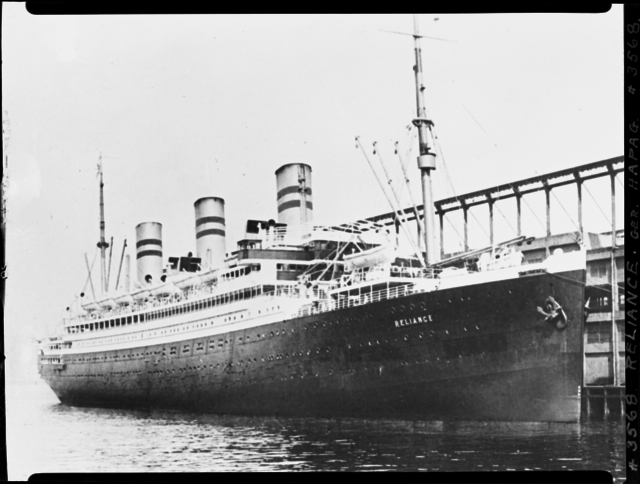
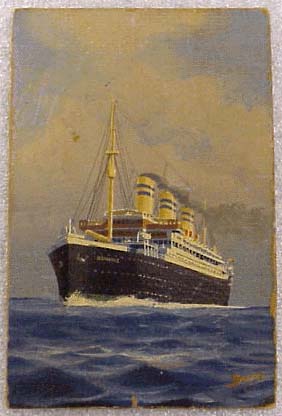
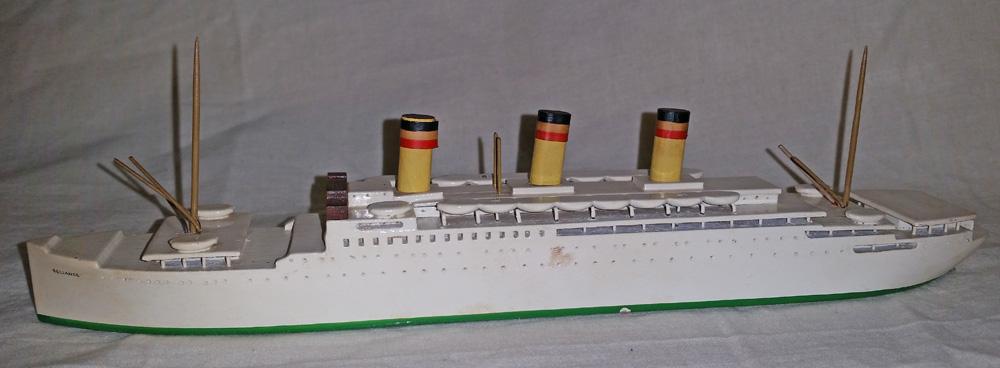
SHORT DESCRIPTION: Painting on board with image of the passenger ship Reliance steaming towards the viewer. (3/4 stern view). NOTES: A simiilar painting of the passenger ship Statendam by the same artist is in the collection of the New York Historical Society. VESSEL INFORMATION: VESSEL NAME: S/S Reliance SHIPOWNER OPERATOR: Hamburg America Line SHIPBUILDER: 1914 at Geestemünde by J. C. Tecklenborg DIMENSIONS: 19,582 gross, 590.4ft x 72.5ft Year Remarks 1914 Feb. 10, launched as the "Johann Heinrich Burchard" for HAPAG 1915 Nov. 20, provisionally delivered 1916 Became the "Limburgia" for the Royal Holland Lloyd 1922 Became the "Reliance" for United American 1923 Sold to Panamanian owners 1926 Purchased by HAPAG 1926 Aug. 24, first voyage for HAPAG Hamburg-Southampton-Cherbourg-New York 1938 Aug. 7, gutted by fire at Hamburg 1940 Scrapped at Bremerhafen
Steamboats–United States.; Tugboats–United States.
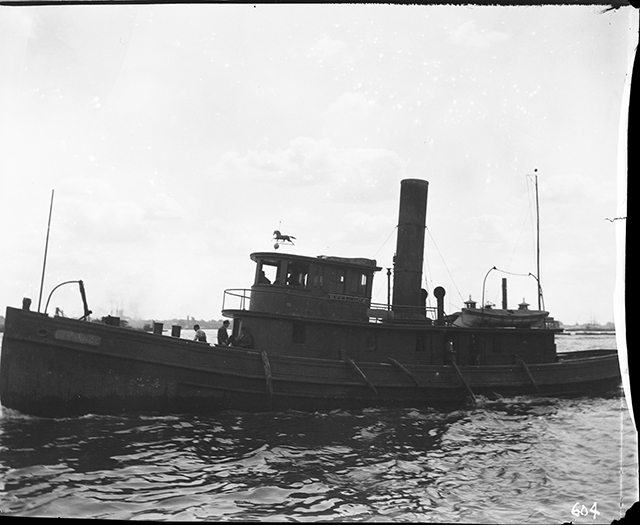
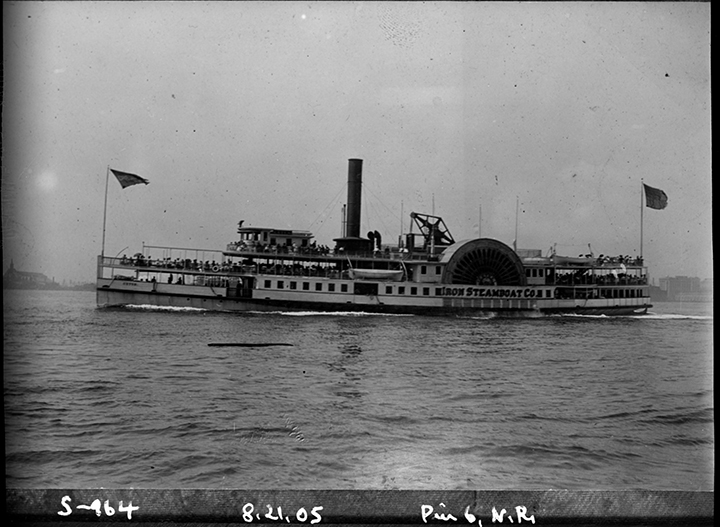
Shows a port side view of a tugboat making way. There is not enough information to disambiguate this name from similarly named vessels. This vessel's name has not been verified. Stanton's notebooks contain the following information about this item: "July 10, 1894"
Steamboats–United States.; Tugboats–United States.
Shows a port side view of a tugboat making way. There is not enough information to disambiguate this vessel from similarly named vessels. This vessel's name has not been verified. This is a copy. Stanton's notebooks contain the following information about this item: "July 10, 1894"
NOTES: The 1903 America's Cup, the 12th challenge for the Cup. It took place in the New York City harbor and consisted of a best of five series of races between Reliance, the fourth of Nathanael Herreshoff's defenders for the cup, entered by the New York Yacht Club; and Shamrock III, representing the Royal Ulster Yacht Club and also the third of Sir Thomas Lipton's Cup challengers. Reliance successfully defended the Cup winning the first three races. VESSEL INFORMATION: VESSEL NAME: RELIANCE VESSEL TYPE: YACHT VESSEL BUILT: 1903 DESIGNER: NATHANAEL HERRESHOFF BUILDER: HERRESHOFF MANUFACTURING COMPANY BUILDER LOCATION: BRISTOL, RHODE ISLAND DIMENSIONS: 143’8” length overall, 89’8” waterline length, 25’8” beam, 20’6” draft, 140 tons displacement SHIPOWNER: C. Oliver Iselin and syndicate CAPTAIN: CHARLES BARR HOME PORT: NEW YORK, NEW YORK; NEW YORK, MANHASSET BAY SCRAP DATE: One month after the race was completed VESSEL HISTORY: Reliance was a giant. Although her waterline length was 90 feet, large overhangs at the bow and stern which increased its waterline when sailing from 90’ to over 131’—a tremendous source of speed. Reliance had a highly polished Tobin bronze hull reduced frictional resistance by an astounding 10%. Reliance’s thin 102-ton deep plunging fin-shaped keel counterbalanced its 196-foot tall mast and carried 16,159 square feet of sail. Reliance was fitted with many new innovations like a steel-welded mast with telescopic topmast; two wheels, one with a foot brake to give the helmsman a break; ingeniously designed winches dotted Reliance’s deck in order to handle the enormous loads generated by its large, specially-designed sails; and a hollow rudder that could be filled or emptied of water to help balance the steering.
Steamboats–United States.; Tugboats–United States.
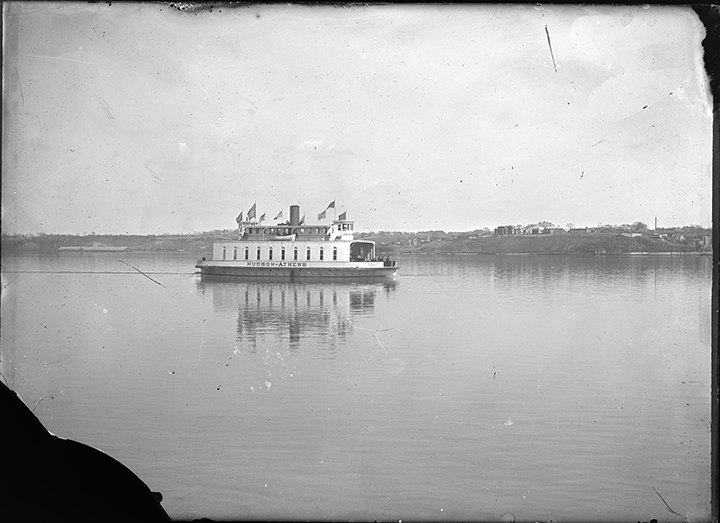
Shows a starboard side view of a tugboat making way. There is not enough information to disambiguate this vessel from similarly named vessel's. This vessel's name has not been verified. Stanton's notebooks contain the following information about this item: "Jan 9, 1895"
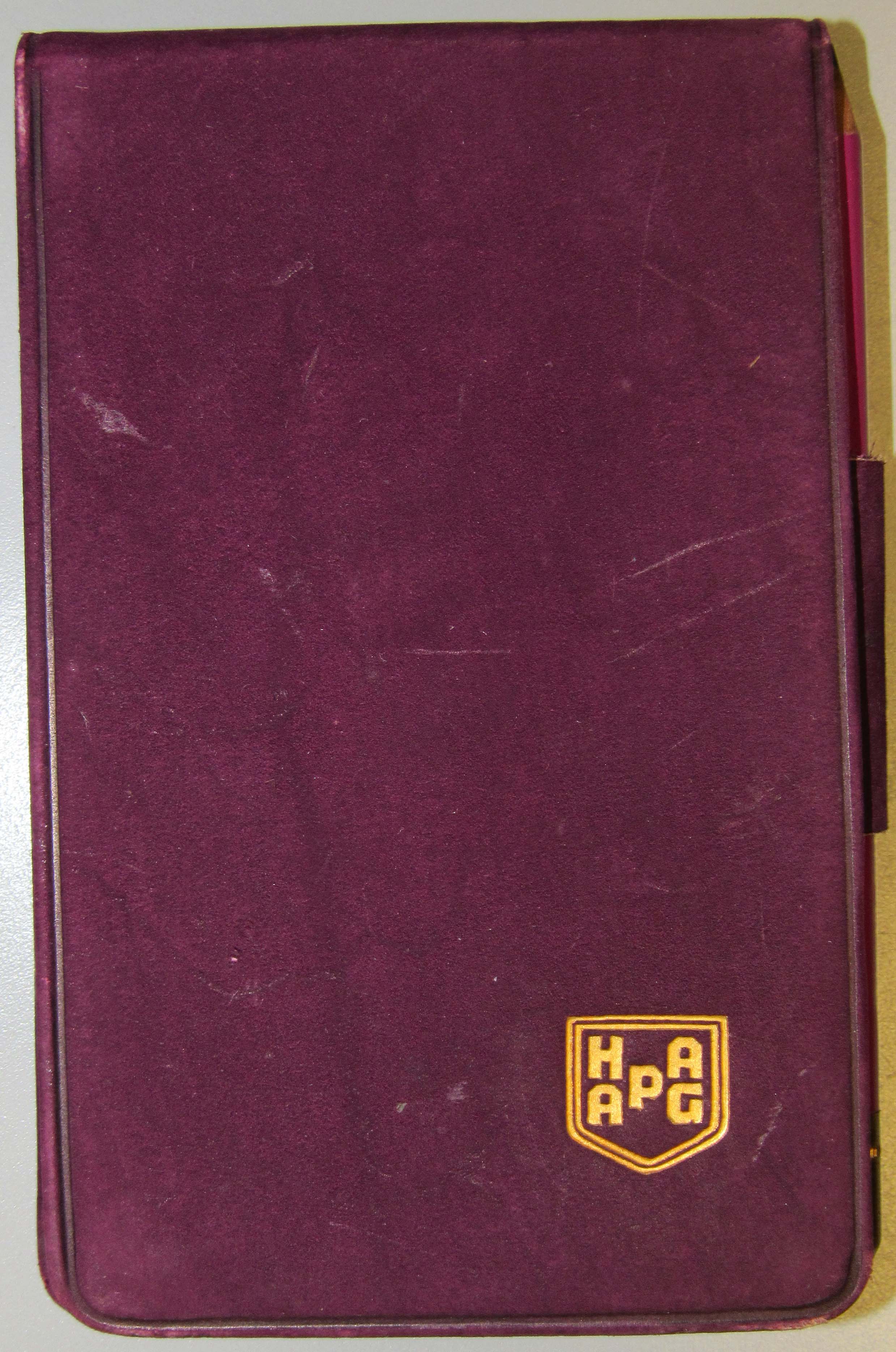
SHORT DESCRIPTION: Notepad with purple velvet cover that folds over the top. The cover has a gold logo in the bottom right corner outlined with two lines with HAPAG inside. There is a loop on the right side that holds a pencil that is a lighter purple. The first two pieces of paper are missing. Inside of the cover is an image of a steamship with three stacks, with two sailing ships nearby. It says Die Dreischrauben-Luxusdampfer / RESOLUTE / und / RELIANCE / der / HAMBURG-AMERIKA LINIE. The pencil has "HAMBURG-AMERIKA LINIE" in gold. Another page has a calendar of days for the year 1929. VESSEL INFORMATION - VESSEL NAME: RELIANCE VESSEL BUILT: 1914 VESSEL TYPE: AMERICAN TRIPLE SCREW OIL BURNING STEAMER SHIP BUILDER: J.C. TECKLENBORG SHIPBUILDER LOCATION: GEESTE MUNDE, BREMERHAVEN, GERMANY SHIP LINE: ROYAL HOLLAND LLOYD LINE; UNTIED AMERICAN LINES VESSEL DIMENSIONS: 592' LENGTH X 72'3" BREADTH OF BEAM X 39'7" DEPTH OF HOLD, TONNAGE 20,000 VESSEL HISTORY: Fitted with triple expansion engines and turbines with a total capacity of 12,000 h.p., she gave a speed of 17.5 knots. She was purchased in January, 1922, by the United American Lines and placed under the American flag and renamed the RELIANCE. She sailed from Hamburg for New York on her first trip, May 2, 1922, and from New York on her first Eastbound trip, May 16. Due to the high cost of operation under the American flag, she was transferred to the Panamanian flag in November 1922. She was later sold to the Hamburg-American Line and placed under the German flag. Alternate vessel names: (1) JOHANN HEINRICH BURCHARD (SCREW SCHOONER: 1914-1920)' (2) LIMBURGIA (SCREW SCHOONER: 1920-1922); (3) RELIANCE (STEAMSHIP: 1922-1940).
VESSEL INFORMATION - VESSEL NAME: RELIANCE VESSEL TYPE: Passenger Ship SERVICE DATES: 1920-1938 DATE BURNED: 1938 PLACE OF BURNING: Germany, Hamburg SHIP BUILDER: Deutsche Schiff und Maschinenbau Ag BUILDER LOCATION: Germany, Bremen VESSEL HISTORY: Ordered by Hamburg-American as JOHANN HEINRICH BURCHARD in 1914 for its South American service, this vessel was seized as reparations, became the Dutch LIMBURGIA, and became RELIANCE after 1922 sale to the U.S.-flagged United American Lines, which named her after a famous America's Cup defender. Purchased by Hapag in 1926, she operated until 1938, when she was scrapped after fire damage. SHIP OWNERS: Hamburg-American; United American Lines VESSEL DIMENSIONS: 19,821 tons; 590.4 x 80.5 x 39.7 ALL SHIP NAMES: (1)JOHANN HEINRICH BURCHARDT, (2)LIMBURGIA, (2)RELIANCE
VESSEL INFORMATION - VESSEL NAME: RELIANCE VESSEL BUILT: 1914 VESSEL TYPE: AMERICAN TRIPLE SCREW OIL BURNING STEAMER SHIP BUILDER: J.C. TECKLENBORG SHIPBUILDER LOCATION: GEESTE MUNDE, BREMERHAVEN, GERMANY SHIP LINE: ROYAL HOLLAND LLOYD LINE; UNTIED AMERICAN LINES VESSEL DIMENSIONS: 592' LENGTH X 72'3" BREADTH OF BEAM X 39'7" DEPTH OF HOLD, TONNAGE 20,000 VESSEL HISTORY: Fitted with triple expansion engines and turbines with a total capacity of 12,000 h.p., she gave a speed of 17.5 knots. She was purchased in January, 1922, by the United American Lines and placed under the American flag and renamed the RELIANCE. She sailed from Hamburg for New York on her first trip, May 2, 1922, and from New York on her first Eastbound trip, May 16. Due to the high cost of operation under the American flag, she was transferred to the Panamanian flag in November 1922. She was later sold to the Hamburg-American Line and placed under the German flag. Alternate vessel names: (1) JOHANN HEINRICH BURCHARD (SCREW SCHOONER: 1914-1920)' (2) LIMBURGIA (SCREW SCHOONER: 1920-1922); (3) RELIANCE (STEAMSHIP: 1922-1940).
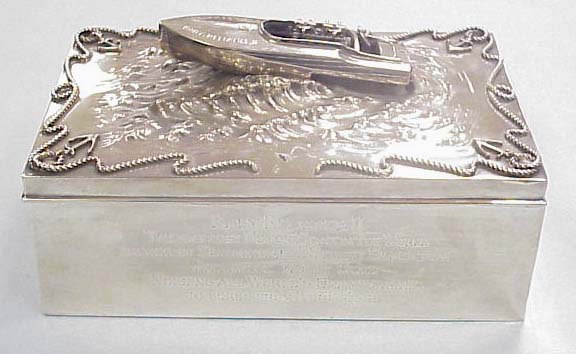
SHORT DESCRIPTION: Sterling silver presentation trophy, cigar box. The bottom is fairly plain but holds the inscription. The lid is heavily decorated. A raised area in the center depicts waves or swell from a boat. In the center sits a replica in silver of Baby Reliance II. The boat appears to be missing the flagstaff at the stern. Around the water is a silver rope with anchors at the four corners of the box. There appears to be a decorative element missing near the front edge where the rope decoration stops.
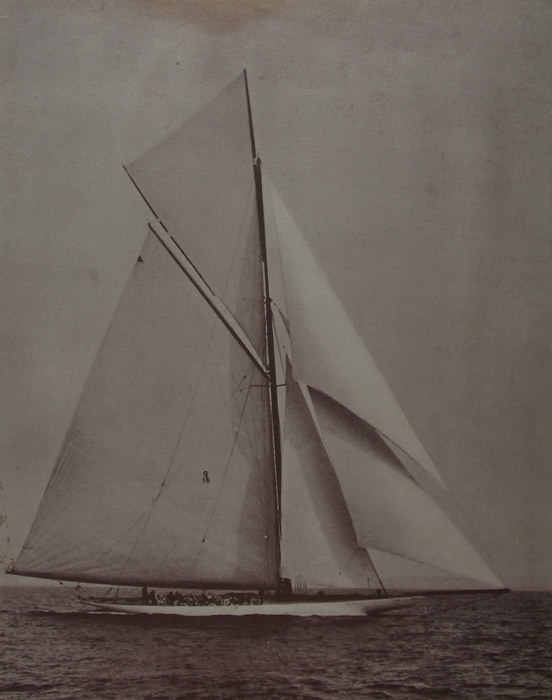
SHORT DESCRIPTION: Process print in colors (Collotype). ADDITIONAL INFORMATION: See Yachting, April-May, 1936, "The fate of the Cup Defenders" by William U. Swan. Part II, May 1936, p. 117. NOTES: The 1903 America's Cup, the 12th challenge for the Cup. It took place in the New York City harbor and consisted of a best of five series of races between Reliance, the fourth of Nathanael Herreshoff's defenders for the cup, entered by the New York Yacht Club; and Shamrock III, representing the Royal Ulster Yacht Club and also the third of Sir Thomas Lipton's Cup challengers. Reliance successfully defended the Cup winning the first three races. VESSEL INFORMATION: VESSEL NAME: RELIANCE VESSEL TYPE: YACHT VESSEL BUILT: 1903 DESIGNER: NATHANAEL HERRESHOFF BUILDER: HERRESHOFF MANUFACTURING COMPANY BUILDER LOCATION: BRISTOL, RHODE ISLAND DIMENSIONS: 143’8” length overall, 89’8” waterline length, 25’8” beam, 20’6” draft, 140 tons displacement SHIPOWNER: C. Oliver Iselin and syndicate CAPTAIN: CHARLES BARR HOME PORT: NEW YORK, NEW YORK; NEW YORK, MANHASSET BAY SCRAP DATE: One month after the race was completed VESSEL HISTORY: Reliance was a giant. Although her waterline length was 90 feet, large overhangs at the bow and stern which increased its waterline when sailing from 90’ to over 131’—a tremendous source of speed. Reliance had a highly polished Tobin bronze hull reduced frictional resistance by an astounding 10%. Reliance’s thin 102-ton deep plunging fin-shaped keel counterbalanced its 196-foot tall mast and carried 16,159 square feet of sail. Reliance was fitted with many new innovations like a steel-welded mast with telescopic topmast; two wheels, one with a foot brake to give the helmsman a break; ingeniously designed winches dotted Reliance’s deck in order to handle the enormous loads generated by its large, specially-designed sails; and a hollow rudder that could be filled or emptied of water to help balance the steering.
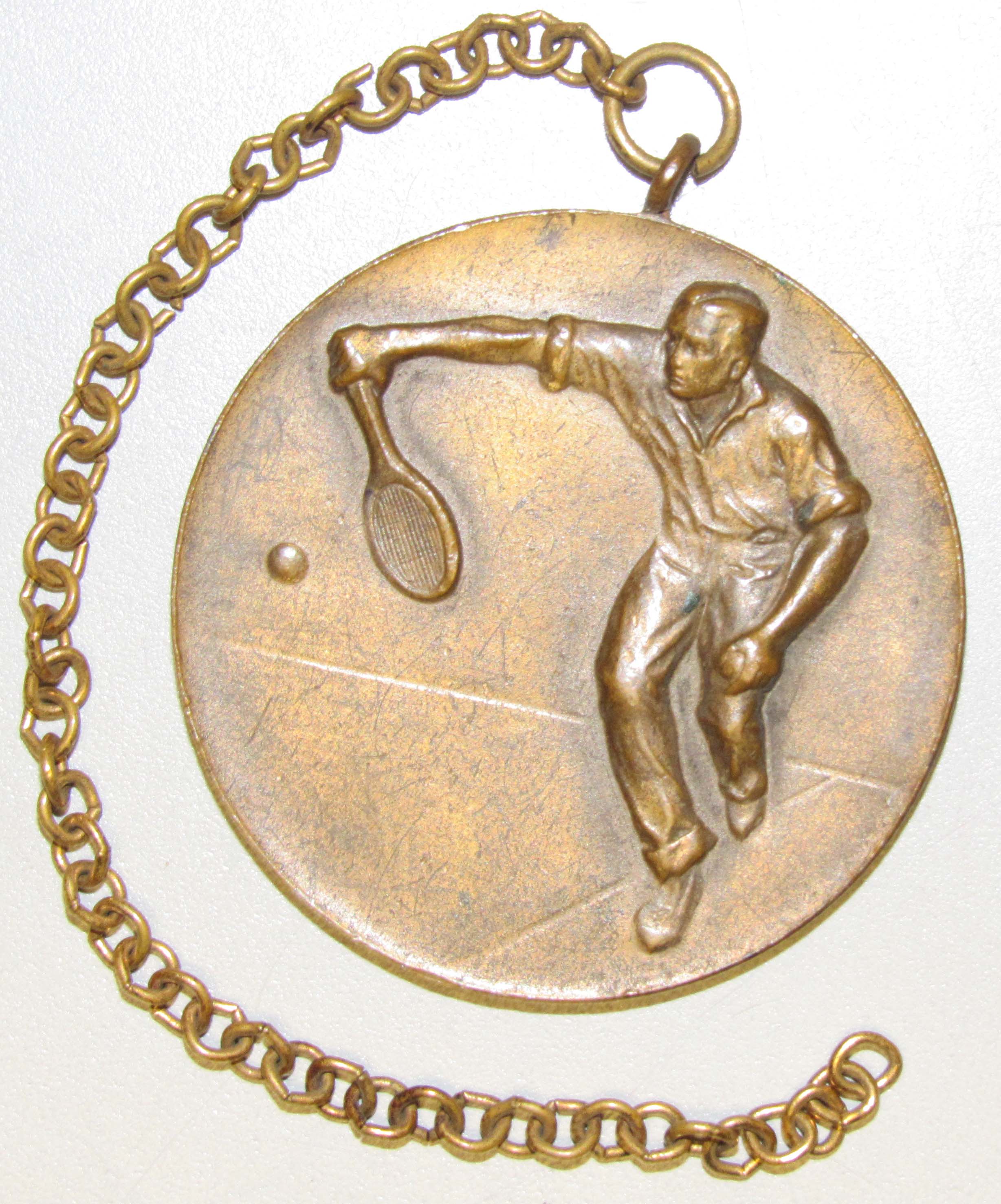
SHORT DESCRIPTION: Medallion with a chain attached to the top. The front features a man playing tennis with his shirt sleeves rolled up. The obverse features a wreath with the HAPAG logo in the center. Below that is the ship name, ss RELIANCE. NOTES: Online there is an image of a similar medallion, except the tennis player is replaced with a man holding a ball, possibly deck bowling. There may have been several iterations of this. NOTES: Medallions such as these, depicting various sporting events, appear to have been fairly common in the 1930s and early 1940s. They were produced by different companies and awared at professional and amateur events. Online references have them identified in various ways, including watch fobs, fobs, medallions and medals. They appear to have been generic designs that were then custom engraved. The engraving on this piece appears somewhat amateuristic. VESSEL INFORMATION - VESSEL NAME: RELIANCE VESSEL BUILT: 1914 VESSEL TYPE: AMERICAN TRIPLE SCREW OIL BURNING STEAMER SHIP BUILDER: J.C. TECKLENBORG SHIPBUILDER LOCATION: GEESTE MUNDE, BREMERHAVEN, GERMANY SHIP LINE: ROYAL HOLLAND LLOYD LINE; UNTIED AMERICAN LINES VESSEL DIMENSIONS: 592' LENGTH X 72'3" BREADTH OF BEAM X 39'7" DEPTH OF HOLD, TONNAGE 20,000 VESSEL HISTORY: Fitted with triple expansion engines and turbines with a total capacity of 12,000 h.p., she gave a speed of 17.5 knots. She was purchased in January, 1922, by the United American Lines and placed under the American flag and renamed the RELIANCE. She sailed from Hamburg for New York on her first trip, May 2, 1922, and from New York on her first Eastbound trip, May 16. Due to the high cost of operation under the American flag, she was transferred to the Panamanian flag in November 1922. She was later sold to the Hamburg-American Line and placed under the German flag. Alternate vessel names: (1) JOHANN HEINRICH BURCHARD (SCREW SCHOONER: 1914-1920)' (2) LIMBURGIA (SCREW SCHOONER: 1920-1922); (3) RELIANCE (STEAMSHIP: 1922-1940).
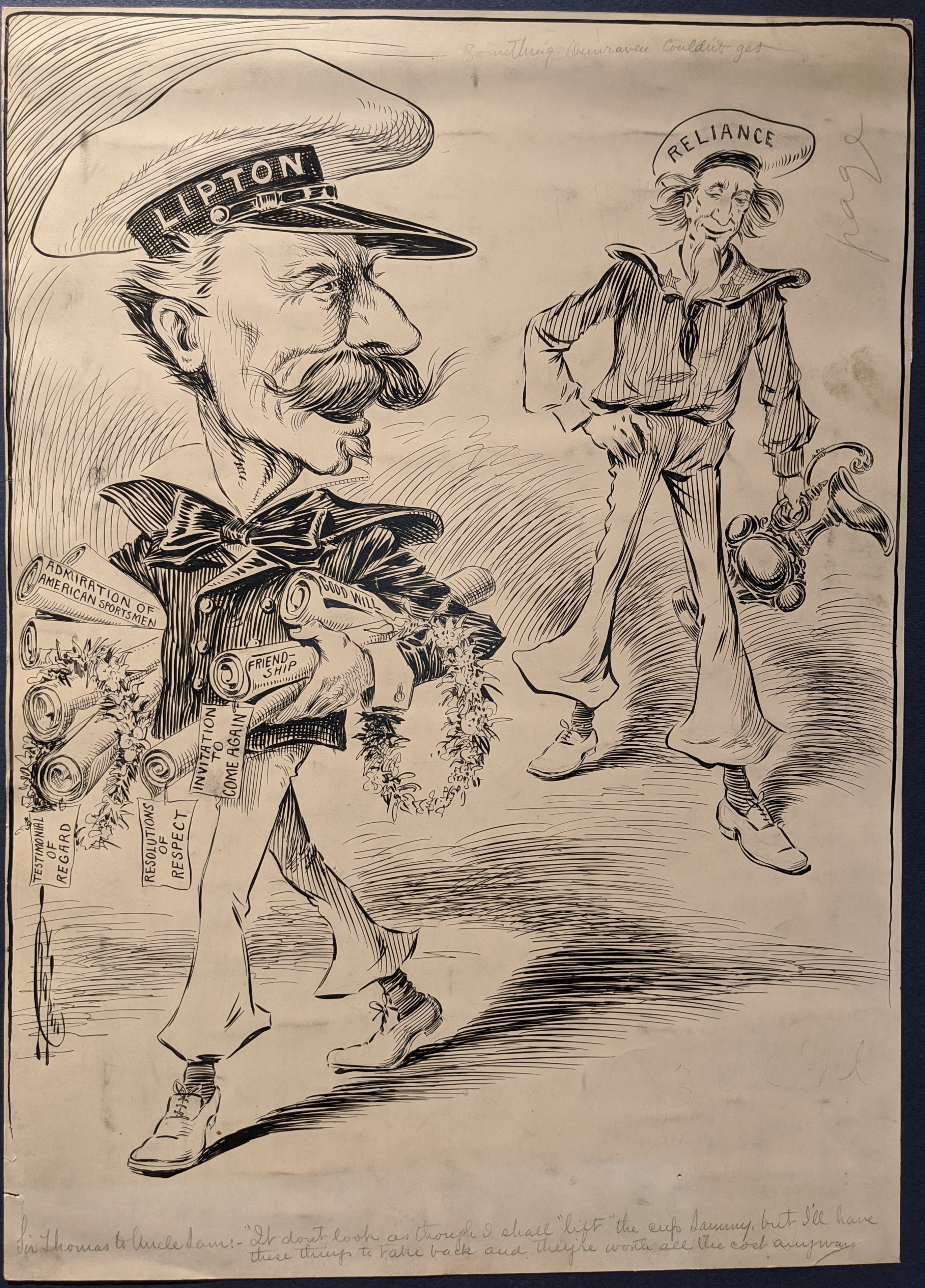
SHORT DESCRIPTION: Pen and ink drawing. The image is a cartoon related to the 1903 America’s Cup race between Sir Thomas Lipton’s Shamrock III and the New York Yacht Club’s Reliance. The artist was a cartoonist named Chapin (there were several cartoonists with this last name at the time of the race). The artist has supplied two possible captions: “Sir Thomas Lipton to Uncle Sam: It doesn’t look as though I shall ‘lift’ the Cup Sammy, but I’ll have these things to take back and they’re worth all the cost anyway.” and “Something Dunraven couldn’t get.” The image shows Sir Thomas Lipton at the left with scrolls labeled "ADMIRATION OF AMERICAN SPORTSMENT,"TESTIMONIAL OF REGARD," RESOLUTIONS OF RESPECT," "INVITATION TO COME AGAIN," "FRIENDSHIP," and "GOODWILL" and several wreaths under his arms. Lipton looks over his shoulder to Uncle Sam wearing a hat labeled "RELIANCE" and holding the America's Cup trophy in his left hand. NOTES: The 1903 America's Cup, the 12th challenge for the Cup. It took place in the New York City harbor and consisted of a best of five series of races between Reliance, the fourth of Nathanael Herreshoff's defenders for the cup, entered by the New York Yacht Club; and Shamrock III, representing the Royal Ulster Yacht Club and also the third of Sir Thomas Lipton's Cup challengers. Reliance successfully defended the Cup winning the first three races. VESSEL INFORMATION: VESSEL NAME: RELIANCE VESSEL TYPE: YACHT VESSEL BUILT: 1903 DESIGNER: NATHANAEL HERRESHOFF BUILDER: HERRESHOFF MANUFACTURING COMPANY BUILDER LOCATION: BRISTOL, RHODE ISLAND DIMENSIONS: 143’8” length overall, 89’8” waterline length, 25’8” beam, 20’6” draft, 140 tons displacement SHIPOWNER: C. Oliver Iselin and syndicate CAPTAIN: CHARLES BARR HOME PORT: NEW YORK, NEW YORK; NEW YORK, MANHASSET BAY SCRAP DATE: One month after the race was completed VESSEL HISTORY: Reliance was a giant. Although her waterline length was 90 feet, large overhangs at the bow and stern which increased its waterline when sailing from 90’ to over 131’—a tremendous source of speed. Reliance had a highly polished Tobin bronze hull reduced frictional resistance by an astounding 10%. Reliance’s thin 102-ton deep plunging fin-shaped keel counterbalanced its 196-foot tall mast and carried 16,159 square feet of sail. Reliance was fitted with many new innovations like a steel-welded mast with telescopic topmast; two wheels, one with a foot brake to give the helmsman a break; ingeniously designed winches dotted Reliance’s deck in order to handle the enormous loads generated by its large, specially-designed sails; and a hollow rudder that could be filled or emptied of water to help balance the steering.
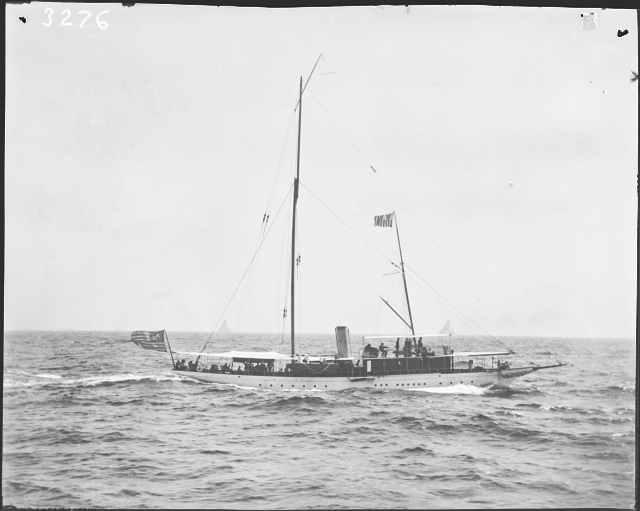
Chetolah - (yacht), Reliance leading Shamrock; 3276
Steamboats–United States.; Steam yachts–United States.
Shows a starboard side view of a steam yacht. Far in the background are two sailing ships, possibly the Reliance and Shamrock referred to in the caption. This negative has thumbtack holes. Stanton's notebooks contain the following information about this item: "Aug 22 1903"
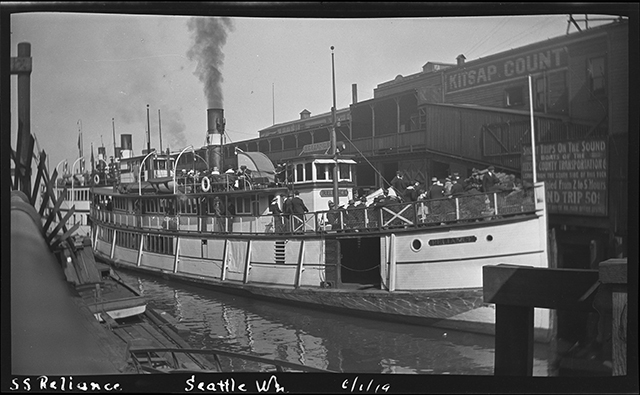
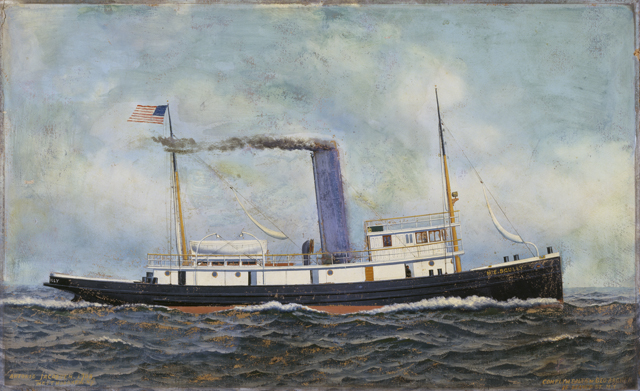
VESSEL INFORMATION - VESSEL NAME: M.E. SCULLY VESSEL TYPE: TUG VESSEL BUILT: 1906 SHIP BUILDER: JOHN H. DIALOGUE & SON BUILDER LOCATION: CAMDEN, NEW JERSEY SHIP OWNERS: SCULLY TOWING AND TRANSPORTATION LINE OF NEW YORK VESSEL HISTORY: Sold in 1908 to Isthmian Canal Commission (later Panama Canal) and renamed RELIANCE.
NOTES: Sketchbook No. 9 of pencil drawings created by Antonio Jacobsen from 1878 to 1918 for his artworks. VESSELS LISTED IN SKETCHBOOK NO. 9, 1887 STAR OF THE EAST (Bark) (Vessel Built 1876) ASHBURNE (Screw Steamship) (Vessel Built 1879) NAPIER (Screw Steamship) (Vessel Built 1881) EROS (Srew Steamship) (Vessel Built 1883) C.L. MARCHAL (Screw Tug) (Vessel Built 1874) RELIANCE (Screw Tug) (Vessel Built 1873) FREDERICK E. IVES (Screw Tug) (Vessel Built 1882) EMILANO (Screw Steamship) (Vessel Built 1871) ARDANACH (Screw Steamship) (Vessel Built 1878) CARL KONOW (Screw Steamship) (Vessel Built 1883) EDAM (Screw Steamship) (Service Dates 1883-1885) HECTOR (Steam Screwship) (Service Dates 1863-1900) DUNHOLME (Screw Steamship) (Vessel Built 1883)
NOTES: Sketchbook No. 27 of pencil drawings created by Antonio Jacobsen from 1878 to 1918 for his artworks. VESSELS LISTED IN SKETCHBOOK NO. 27, 1884-6 EMMA KATE ROSS (Screw Tug) (Vessel Built 1882) PIETER DE CONINCK (Screw Steamship) (Service Dates 1881-1904) NOTTING HILL (Screw Steamship) (Service Dates 1881-1884) NORMANDIE (Screw Steamship) (Service Dates 1882-1912) HEIMDAL (Screw Steamship) (Vessel Built 1882) INICIADORA (Screw Steamship) (Vessel Built 1883) OREGON (Screw Steamship) RHODE ISLAND (Steam Paddle Wheel) MAGGIE MORAN (Screw Tug) (Vessel Built 1881) MAASDAM (Screw Steamship) ANNA A. HOLTON (Schooner, 2) (Vessel Built 1866) FRANCISCA (Screw Steamship) (Vessel Built 1883) SERRA (Screw Steamship) (Vessel Built 1879) LAKE SUPERIOR (Screw Steamship) (Vessel Built 1884) WELLS CITY (Screw Steamship) (Service Dates 1890-1933) BUFFALO (Screw Steamship) (Service Dates 1885-1904) AMERICA (Screw Tug) (Vessel Built 1871) STEPHEN WOOLSEY (Schooner) (Service Dates 1884-1906) BONAVISTA (Screw Steamship) (Vessel Built 1884) GARTH (Screw Steamship) (Vessel Built 1884) ELSA (Screw Steamship) (Service Dates 1882-1890) RELIANCE (Barkentine, 4) (Vessel Built 1884) NEPTUNE
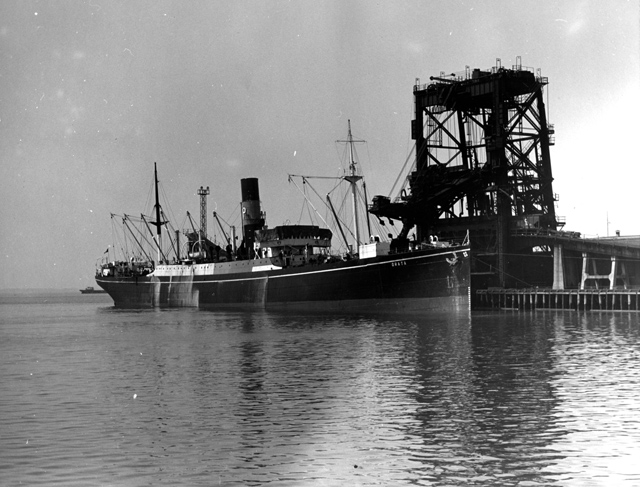
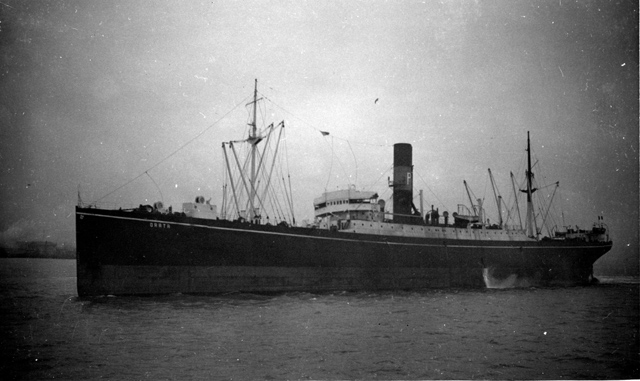
WRITTEN ON VERSO: ORATA (STEAMSHIP) GENOA, ITALY. FORMERLY (a) KNIGHT COMPANION, (b) RELIANCE, (c) EMANUELE ACCAME. BUILT 1910, AT GLASGOW, BY C. CONNELL & COMPANY, LTD. OWNED BY "POLENA" SOCIETA DI NAVIGAZIONE. 8,631 TONS. 484.6 X 58.0 X 40.0. BROKEN UP 1954.
WRITTEN ON VERSO: ORATA (STEAMSHIP) GENOA, ITALY. FORMERLY (a) KNIGHT COMPANION, (b) RELIANCE, (c) EMANUELE ACCAME. BUILT 1910, AT GLASGOW, BY C. CONNELL & COMPANY, LTD. OWNED BY "POLENA" SOCIETA DI NAVIGAZIONE. 8,631 TONS. 484.6 X 58.0 X 40.0. BROKEN UP 1954.
VESSEL INFORMATION - VESSEL NAME: RAINBOW SERVICE DATES: 1934-ca 1940 VESSEL NAME: GALATEA SERVICE DATES: 1885- ca 1912 VESSEL NAME: SHAMROCK II SERVICE DATES: 1901 - ca. 1910 VESSEL NAME: SHAMROCK IV SERVICE DATES: 1914 - ca. 1924
This small collection documents Buckroe Beach Park, an amusement park existing at Buckroe Beach, Hampton, VA. The Park, which was razed in 1991, operated from 1897 to 1985.
SHORT DESCRIPTION: Engraving with square rigged ship between two lateen rigged galleys, additional galley at left and additional ship at right. Myth of the stolen chariot of Apollo in sky. NOTES: This may be a trial proof or a plate (or a later copy) from a set of Twenty-two Prints of Several of the Capital Ships of his Majesties Royal Navy with Variety of other Sea Pieces after the Drawings of T. Baston (London, ca. 1725), plate 15. The South Sea Company was rescued from bankruptcy and near disaster in 1721. The next year it turned its attention to reviving the defunct whaling industry. It took three years to build and equip a suitable fleet. In 1725 the company finally sent 12 whale ships to the arctic grounds, but these returned having caught only twenty-five whales. In 1727, the fleet had increased to twenty-five ships, but that year two were lost and only twenty-two whales were killed. In 1733, after continual financial losses the South Sea Company stopped whaling altogether, leaving the industry to private enterprise and reliance upon government bounties. The Latin motto speaks of joining the north and the south and refers to this short-lived arctic enterprise of the South Sea Company. The print is usually dated ca. 1721, the year of the only known dated print by T. Baston. This early date is unlikely, however, as the first English whaleship under the South Sea Company and Sir John Eyles did not enter Greenland waters until 1725. In his composition Thomas Baston has borrowed from the Dutch set of sixteen whaling prints by van der Meulen and van der Laan (LE 2487 - 2498). The four scenes in the foreground are reverse copies of "the ice bear…" (LE 2498); The sticking of the whale…." (LE 2488); "Shooting…a great fisch with tusk." (LE 2495); and "The whale is troubled," (LE 2492). Baston's scene was evidently quite successful for it was then copied in a variety of forms for the next hundred years. The popular imagery initiated by the Dutch was borrowed by Baston, capitalized on by the Bowleses, then pirated and perpetuated further by other English and continental publishers, a common practice before the days of effective copyright laws. [Martha J. Wyatt, March 15, 2001] ADDITIONAL INFORMATION: Elizabeth Ingalls, "Whaling Prints in the Francis B. Lothrop Collection." Salem, MA: Peabody Museum of Salem, 1987. [Catalog # 58]
721 MARKET STREET - SAN FRANCISCO - CALIFORNIA - UNITED STATES - Lithographer/Publisher; SANTA BARBARA - CALIFORNIA - UNITED STATES - Related Place
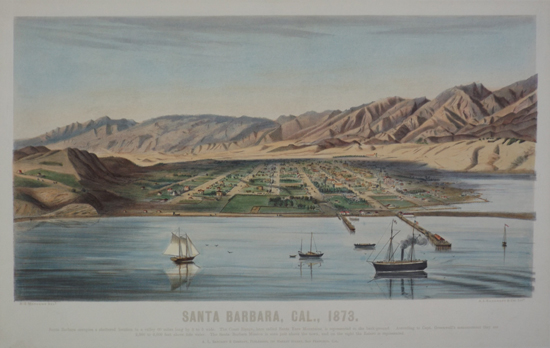
NOTES: Text supporting image by Barry Lawrence Ruderman Antique Maps: One of the great rarities of California urban iconography, A.E. Mathews's exceptional bird's-eye view is the earliest lithographic town view of Santa Barbara recorded by John W. Reps, predating E.S. Glover's 1877 panoramic view, and one of the first detailed printed images of the community as a whole. Issued just one year after completion of Stearns Wharf and at the dawn of Santa Barbara's emergence as a celebrated health and resort destination, A.E. Mathews's view captures the town at a pivotal moment between its Mexican-era adobe past and its future as the "American Riviera." Executed just as the city began its transformation into a premier health and tourist destination, this wonderful early California urban view was created by the noted topographic artist Alfred Edward Mathews and published in San Francisco by A.L. Bancroft & Company in 1873. The caption text below the image reads: "Santa Barbara occupies a sheltered location in a valley 60 miles long by 3 to 5 wide. The Coast Range, here called Santa Ynez Mountains, is represented in the background. According to Capt. Greenwell's measurement they are 2,500 to 3,000 feet above tide water. The Santa Barbara Mission is seen just above the town, and on the right the Estero is represented." During the winter of 1872 to 1873, the English-born American artist Alfred Edward Mathews (1831–1874) traveled throughout Southern California to sketch the region's rapidly developing towns. Mathews had already established a national reputation for his highly detailed, on-the-spot topographical drawings of Civil War battlefields, as well as his pioneering portfolios of early settlements in Colorado, Montana, and Nebraska: "Pencil Sketches of Colorado (1866)," "Pencil Sketches of Montana (1868)" and "Gems of Rocky Mountain Scenery (1869)." Recognizing the growing public interest in California's southern coast, he canvassed the area for subscribers to a planned series of views intended to showcase the region's climate and beauty to prospective settlers, investors, and tourists. This ambitious tour resulted in a suite of four bird's-eye views capturing the early layouts of Los Angeles, San Diego, San Bernardino, and Santa Barbara. To bring his drawings to the public, Mathews partnered with the prominent San Francisco printing and publishing house A.L. Bancroft & Company. While some contemporary newspapers criticized Mathews's views of other cities for exaggerating the proximity of the surrounding mountain ranges, his rendering of Santa Barbara was well received. While a contemporary newspaper criticized Mathews's views of other cities for exaggerating the proximity of surrounding mountain ranges, his rendering of Santa Barbara was regarded as among the most successful of the series. The 'San Diego Union' specifically singled out the Santa Barbara sketch as the most successful of the series: "Views in Southern California. We were presented yesterday with lithographs of views of San Diego, Santa Babara, Los Angeles and Santa Barbara, as sketched by Mr. A. E. Mathews. The perspective in each of these sketches, excepting that of Santa Barbara, is exceedingly defective. The mountain ranges in the background of each of the sketches of San Diego, San Bernardino and Los Angeles are represented as in close proximity to the same when in reality they are many miles distant. - San Diego Union, April 15, 1873". Today, all of Mathews's Southern California prints are exceedingly rare and highly prized by historians and collectors. The view presents Santa Barbara from an elevated vantage point offshore, looking inland across the waters of the Pacific Ocean. The town is laid out in a structured grid, its dirt streets lined with a combination of early Spanish-era adobe structures and newer American-style wooden buildings. In the foreground, a steamship and several sailing vessels ply the harbor, underscoring the town's heavy reliance on maritime transportation before the arrival of the railroad. Two prominent wooden piers extend into the bay. The most significant of these is Stearns Wharf, which had just been completed in 1872 by local lumberman John P. Stearns. The wharf revolutionized Santa Barbara's economy by allowing deep-water ships to load and unload cargo directly, eliminating the need for small lighters to ferry goods through the surf. Beyond the town, the Santa Ynez Mountains rise dramatically from the coastal plain, forming the protective barrier that endows Santa Barbara with its famous Mediterranean climate. The printed text below the image notes that according to "Capt. Greenwell's measurement," the peaks stand 2,500 to 3,000 feet above sea level, a reference to Captain William E. Greenwell of the United States Coast Survey, who conducted extensive topographic work in the area. Nestled in the foothills "just above the town," the prominent facade of the Santa Barbara Mission is clearly visible, serving as a visual anchor to the region's colonial past. To the far right, the low-lying estuary known as the Estero is depicted; this marshy area would eventually be filled and developed as the city's population expanded in the late nineteenth century. Mathews captured Santa Barbara at the very dawn of its era as a premier tourist destination. The previous year, the writer Charles Nordhoff had released his influential promotional book, California: For Health, Pleasure, and Residence, which prominently featured Santa Barbara and sparked a rush of affluent Easterners seeking the region's salubrious climate. By documenting the city just before this explosion of growth, Mathews preserved a vital window into the early American period of one of California's most iconic coastal communities. Very rare in the market. No examples recorded in RBH. OCLC records examples at the Bancroft, Lawrence Laboratory Library, and the Institute of Governmental Studies (IGS). John W. Reps (Views and Viewmakers), locates additional examples at the Huntington Library, Santa Barbara Historical Society, Mariner's Museum (Newport News). Not in Peters, California on Stone.
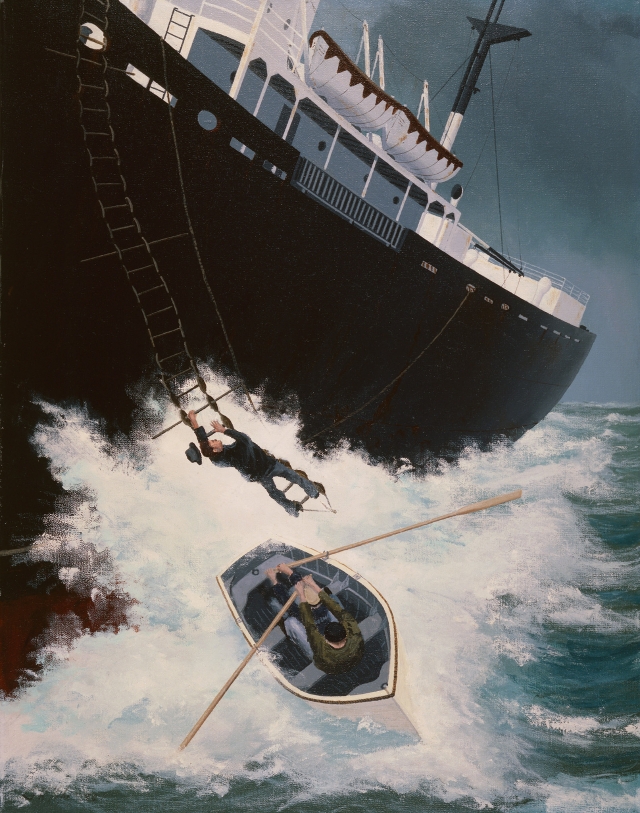
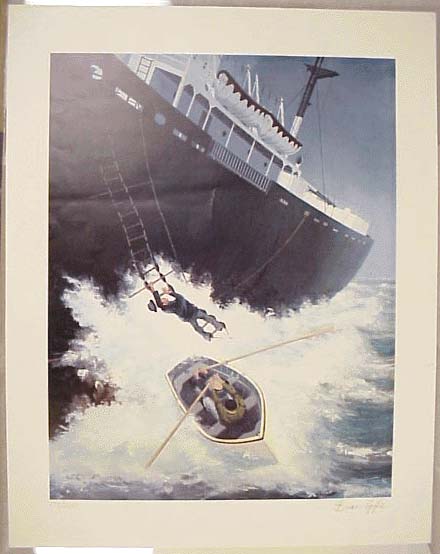
SHORT DESCRIPTION: Acrylic painting on canvas by Captain Brian Halliday Hope titled "Boarding a Libery Ship, 1947." The scene shows a liberty ship underway and rolling or healing to port, and towards the pilot, in rough waters. A pilot yawl manned by two rowers, has just landed a pilot onto a pilot ladder with vertical spreaders connected together by an additional siderope (the form of ladder is sometimes incorrectly referred to as a jacob's ladder, see note below) hanging down the side of the vessel. The ladder, due to the ship's movement and the rough water, has swung away from the side of the vessel and the pilot is precariously hanging onto the ladder in the rough waves and spray launching from the ship's hull at the waterline. The pilot is reaching for a rung of the ladder with his right hand. The wild movement of the ladder has caused the pilot's hat to fall off. The two rowers in the yawl are frantically pulling away from the ship and towards the viewer in the rough water. The painting is signed in the lower left corner "B. H. Hope '80," however, the deed of gift and other documents indicate the painting was created in 1977. Until informed otherwise, the date of manufacture is being listed as 1980. See 1999.48.01 for a process print produced from the scene. NOTES: It appears that Captain Hope based his painting on an illustration created by American artist T. Dart Walker (1868-1914) in 1905 or 1906 and published in the July 21, 1906 Illustrated London News (this needs to be confirmed by the artist). Walker's illustration was titled “A perilous moment in a pilot’s career—climbing aboard a vessel entering New York Harbor in a rough sea.” The image was republished in the August 5, 1906, New York Tribune on page 47. The next time it appears is as a postcard published in 1909 by Louis Kaufmann & Sons, Baltimore, Maryland. The title on the card has been changed to “Perilous Moment in a Pilot’s Career, Climbing Aboard a vessel entering Chesapeake Bay, Cape Henry, Virginia.” Finally, it was published in Charles Frederick Stansbury’s 1910 ‘The State Pilots and Maritime Virginia’ this time with the slightly modified title “Perilous Moment in a Pilot’s Career, Climbing Aboard a vessel entering a Virginia Port.” Captain Hope appears to have updated the image to illustrate a pilot climbing aboard a liberty ship in rough water sometime after World War II. Although the painting doesn't represent a particular real event, a Virginia pilot captain with more than 20 years of experience, says very similar situations have occurred, even down to hats being lost. He also notes that the particular form of jacob’s ladder depicted in the painting is now prohibited and explained that pilot's ladders are now safer and can only extend 20 meters. NOTES: Captain Brian H. Hope, the artist, was a senior pilot with the Association of Maryland Pilots when this painting was created. His career spanned from 1970 and 2013. The painting hung in the Association's main office from the time it was painted until 1989 when it was donated to the Mariners' Museum. Hope graduated as a third mate from the Merchant Marine Academy at King's Point in in New York in 1965. He served for four years as a deck officer in the merchant marine on about 30 ships on 43 trips all over the world. According to his Continuous Discharge Book between August 23, 1962 to April 6, 1969 he sailed on: Mormactrade, Mormacpenn, Simon B. Buckner, American Meteor, African Mercury, American Chieftain, Export Agent, American Courier, Gen. W.H. Gordon, Gen. LeRoy Eltinge, Point Cruz, Angelo Petri, Burbank Victory, Santa Margarita, American Merchant, Santa Catalina, Cape Archway, Pioneer Mart, Mormaclynx, American Skipper, Pioneer Myth, Mayaguez, Robin Mowbray, African Comet, American Reliance, Pioneer Myth, American Mercury, Pioneer Ming, Pioneer Contractor, Pioneer Main, and SS John H Brown. Hope applied to become a Chesapeake Bay pilot in 1970 and became a senior pilot with the Association of Maryland Pilots in 1974. Between 1970 and 1987 Hope piloted 2,834 ships and over his career piloted more than 3500 vessels. For thirteen years Hopes served as a member of the Association's Board of Supervisors, he chaired the groups apprentice training program and served on Maryland's pilot examiners board. Between 1989 and 2002 Hope served as the chairman of Project Libery Ship, the effort to restore and operate one of the world's last two surviving liberty ships, the John W. Brown. Hope is an avid artist of maritime subjects, especially Maryland and pilot related scenes. Hope is also the author of "Bay Pilot: A History of the Association of Maryland Pilots." Forty-five of his paintings were used to illustrate the book. NOTES: Admiral W. H. Smith in his "The Sailor's Word Book" identifies a jacob's ladder as "the short ladder made with wooden steps and rope sides for ascending the rigging" and that they are primarily used "abaft top-gallant masts, where no ratlines are provided." Smith does not define "pilot ladder" but De Kerchove does in his international maritime dictionary. De Kerchove defines a pilot ladder as a "rope ladder in which each rung is made of a flat piece of wood pierced by four holes, two at each end, through which the four side ropes are rove. Strong seizings are put on just below the run on each side bending the two side ropes together. Recently, such ladders have been made of chain, with steel rungs. Also called a jack ladder."
SHORT DESCRIPTION: Process print of an painting by Captain Brian Halliday Hope titled "Boarding a Libery Ship, 1947." The scene shows a liberty ship underway and rolling or healing to port, and towards the pilot, in rough waters. A pilot yawl manned by two rowers, has just landed a pilot onto a pilot ladder with vertical spreaders connected together by an additional siderope (the form of ladder is sometimes incorrectly referred to as a jacob's ladder, see note below) hanging down the side of the vessel. The ladder, due to the ship's movement and the rough water, has swung away from the side of the vessel and the pilot is precariously hanging onto the ladder in the rough waves and spray launching from the ship's hull at the waterline. The pilot is reaching for a rung of the ladder with his right hand. The wild movement of the ladder has caused the pilot's hat to fall off. The two rowers in the yawl are frantically pulling away from the ship and towards the viewer in the rough water. The signature on the print was reapplied before publication and differs from the original painting where it only appears faintly. NOTES: It appears that Captain Hope based his painting on an illustration created by American artist T. Dart Walker (1868-1914) in 1905 or 1906 and published in the July 21, 1906 Illustrated London News (this needs to be confirmed by the artist). Walker's illustration was titled “A perilous moment in a pilot’s career—climbing aboard a vessel entering New York Harbor in a rough sea.” The image was republished in the August 5, 1906, New York Tribune on page 47. The next time it appears is as a postcard published in 1909 by Louis Kaufmann & Sons, Baltimore, Maryland. The title on the card has been changed to “Perilous Moment in a Pilot’s Career, Climbing Aboard a vessel entering Chesapeake Bay, Cape Henry, Virginia.” Finally, it was published in Charles Frederick Stansbury’s 1910 ‘The State Pilots and Maritime Virginia’ this time with the slightly modified title “Perilous Moment in a Pilot’s Career, Climbing Aboard a vessel entering a Virginia Port.” Captain Hope appears to have updated the image to illustrate a pilot climbing aboard a liberty ship in rough water sometime after World War II. Although the painting doesn't represent a particular real event, a Virginia pilot captain with more than 20 years of experience, says very similar situations have occurred, even down to hats being lost. He also notes that the particular form of pilot's ladder depicted in the painting is now prohibited and explained that pilot's ladders are now safer and can only extend 20 meters. NOTES: Captain Brian H. Hope, the artist, was a senior pilot with the Association of Maryland Pilots when this painting was created. His career spanned from 1970 and 2013. The painting hung in the Association's main office from the time it was painted until 1989 when it was donated to the Mariners' Museum. Hope graduated as a third mate from the Merchant Marine Academy at King's Point in in New York in 1965. He served for four years as a deck officer in the merchant marine on about 30 ships on 43 trips all over the world. According to his Continuous Discharge Book between August 23, 1962 to April 6, 1969 he sailed on: Mormactrade, Mormacpenn, Simon B. Buckner, American Meteor, African Mercury, American Chieftain, Export Agent, American Courier, Gen. W.H. Gordon, Gen. LeRoy Eltinge, Point Cruz, Angelo Petri, Burbank Victory, Santa Margarita, American Merchant, Santa Catalina, Cape Archway, Pioneer Mart, Mormaclynx, American Skipper, Pioneer Myth, Mayaguez, Robin Mowbray, African Comet, American Reliance, Pioneer Myth, American Mercury, Pioneer Ming, Pioneer Contractor, Pioneer Main, and SS John H Brown. Hope applied to become a Chesapeake Bay pilot in 1970 and became a senior pilot with the Association of Maryland Pilots in 1974. Between 1970 and 1987 Hope piloted 2,834 ships and over his career piloted more than 3500 vessels. For thirteen years Hopes served as a member of the Association's Board of Supervisors, he chaired the groups apprentice training program and served on Maryland's pilot examiners board. Between 1989 and 2002 Hope served as the chairman of Project Libery Ship, the effort to restore and operate one of the world's last two surviving liberty ships, the John W. Brown. Hope is an avid artist of maritime subjects, especially Maryland and pilot related scenes. Hope is also the author of "Bay Pilot: A History of the Association of Maryland Pilots." Forty-five of his paintings were used to illustrate the book. NOTES: Admiral W. H. Smith in his "The Sailor's Word Book" identifies a jacob's ladder as "the short ladder made with wooden steps and rope sides for ascending the rigging" and that they are primarily used "abaft top-gallant masts, where no ratlines are provided." Smith does not define "pilot ladder" but De Kerchove does in his international maritime dictionary. De Kerchove defines a pilot ladder as a "rope ladder in which each rung is made of a flat piece of wood pierced by four holes, two at each end, through which the four side ropes are rove. Strong seizings are put on just below the run on each side bending the two side ropes together. Recently, such ladders have been made of chain, with steel rungs. Also called a jack ladder."
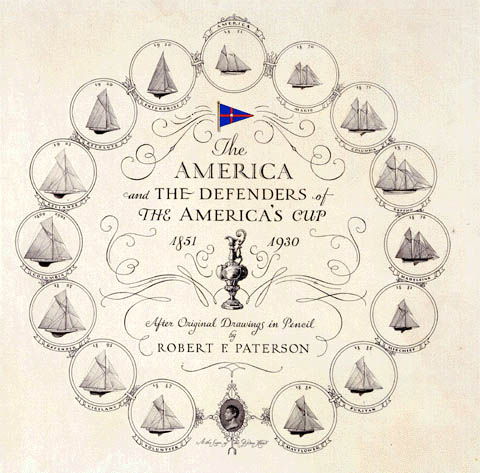
SHORT DESCRIPTION: Process print in colors (collotype). ADDITIONAL INFORMATION: See Rudder, N.Y., 1914, p. 81-98, Winfield M. Thompson "The Yacht AMERICA and Her Cup". ACCESSION NOTES: Originally LP 1084 was assigned to the first print (entitled "America, 1851") in the series of seventeen prints (entitled "The America and the Defenders of the America's Cup") published by The Gosden Head, Inc.. The cover for the set, originally not included in the accession but tracked with the first print, had (at some point prior to 1979) replaced the first print and was attributed as LP 1084. In the past three America's Cup exhibitions [1983,1992-4, and 1999) the cover has been displayed with the number LP 1084. The first print has never had a location card and has never been tracked past its accession in 1936. With the hope that the first print will reappear, two records have been created to reflect the original accession. The first print is now tracked as LP 1084.01 with a location listed as missing and the cover is now listed LP 1084.02.
WRITTEN ON VERSO: HARBOR REFUGE LIGHTHOUSE, DELAWARE
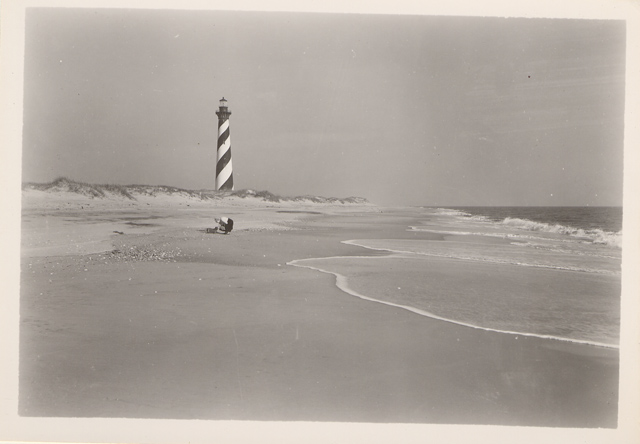
CURATOR NOTES: Cape Hatteras Light is a lighthouse located on Hatteras Island in the Outer Banks of North Carolina near the community of Buxton, and is part of the Cape Hatteras National Seashore. The Outer Banks are a group of islands on the North Carolina coast that separate the Atlantic Ocean from the coastal sounds and inlets. Atlantic currents in this area made for excellent travel for ships, except in the area of Diamond Shoals, just offshore at Cape Hatteras. Nearby, the warm Gulf Stream ocean current collides with the colder Labrador Current, creating ideal conditions for powerful ocean storms and sea swells. The large number of ships that ran aground because of these shifting sandbars, including the Civil War ironclad warship USS Monitor, gave this area the nickname “Graveyard of the Atlantic.” It also led Congress to authorize the construction of the Cape Hatteras Lighthouse which is recognized by the National Park Service as the tallest lighthouse in America. The light at the top is automated and is visible every 7.5 seconds. In good visibility conditions, the beacon can often be seen for 20 miles (32 km) out at sea, although its official range is 24 miles (39 km) under optimal conditions. Over 1 million bricks were used in the construction of the structure, which was built between 1868 to 1870 at a cost (then) of $167,500. The Cape Hatteras lighthouse is still considered operational as a navigation aid maintained by the United States Coast Guard and the National Park Service. However, the need for the lighthouse has been reduced by modern day GPS and other electronic navigational devices. The lighthouse beacon was also augmented by the 175-foot (53 m) tall Diamond Shoals light tower, which is 12 miles (19 km) off of the Hatteras coast. The light tower was put in place in 1967 and lightships were present before then dating back to 1824, including one lightship sunk by a German submarine during World War I. The light tower has recently been decommissioned by the United States Coast Guard, as maintenance on the structure proved too expensive in light of increasing reliance on GPS. Original lighthouse On July 10, 1797, Congress appropriated $44,000 "for erecting a lighthouse on the head land of Cape Hatteras and a lighted beacon on Shell Castle Island, in the harbor of Ocracoke in the State of North Carolina." The Cape Hatteras Lighthouse cost $14,302 to build and the Shell Castle Island Lighthouse was built from part of the surplus. Both were completed in 1803. The Cape Hatteras light marked very dangerous shoals which extend from the cape for a distance of 10 nautical miles (19 km). The original tower was built of dark sandstone and retained its natural color. The original light consisted of 18 lamps; with 14-inch (360 mm) reflectors, and was 112 feet (34 m) above sea level. It was visible in clear weather for a distance of 18 miles (29 km). In July 1851, Lt. David D. Porter, USN, reported as follows: “ "Hatteras light, the most important on our coast is, without doubt, the worst light in the world. Cape Hatteras is the point made by all vessels going to the south, and also coming from that direction; the current of the Gulf Stream runs so close to the outer point of the shoals that vessels double as close round the breakers as possible, to avoid its influence. The only guide they have is the light, to tell them when up with the shoals; but I have always had so little confidence in it, that I have been guided by the lead, without the use of which, in fact, no vessel should pass Hatteras. The first nine trips I made I never saw Hatteras light at all, though frequently passing in sight of the breakers, and when I did see it, I could not tell it from a steamer’s light, excepting that the steamer’s lights are much brighter. It has improved much latterly, but is still a wretched light. It is all important that Hatteras should be provided with a revolving light of great intensity, and that the light be raised 15 feet (4.6 m) higher than at present. Twenty-four steamship’s lights, of great brilliancy, pass this point in one month, nearly at the rate of one every night (they all pass at night) and it can be seen how easily a vessel may be deceived by taking a steamer’s light for a light on shore." ” The improvement in the light referred to had begun in 1845 when the reflectors were changed from 14 to 15-inch (380 mm). In 1848 the 18 lamps were changed to 15 lamps with 21-inch (530 mm) reflectors and the light had become visible in clear weather at a distance of 20 miles (32 km). In 1854 a first-order Fresnel lens with flashing white light was substituted for the old reflecting apparatus, and the tower was raised to 150 feet (46 m). In 1860 the Lighthouse Board reported that Cape Hatteras Lighthouse required protection, due to the outbreak of the Civil War. In 1862 the Board reported "Cape Hatteras, lens and lantern destroyed, light reexhibited."[citation needed] Second lighthouse Cape Hatteras LightAt the behest of mariners and officers of the U.S. Navy, Congress appropriated $80,000 to the United States Lighthouse Board to construct a new beacon at Cape Hatteras in 1868. The Light-House Board was a federal agency under the direction of the Treasury Department but was headed by a multi-agency committee. The Board consisted of two Army Engineers, two Navy officers, two civilian scientists, and one additional officer from both the Army and Navy to serve as secretaries. Congress established the Board in 1852 for the purpose of creating a unified, continuous system of navigational aides along the coasts. Prior to 1852, lighthouse construction generally rested with local authorities, ultimately leading to a disjointed, ineffective national system. Under the Light-House Board, Navy officers determined where new lighthouses were needed; Army Engineers selected exact locations, designed, and built them; and civilian scientists developed new technologies and techniques for displaying bright, consistent beacons.[4] Completed in just under two years under the direction of brevet Brigadier General J. H. Simpson of the U.S. Army Corps of Engineers, the new Cape Hatteras lighthouse cost $167,000. The new tower, from which the first-order light was first exhibited December 16, 1871, was the highest brick lighthouse tower in the world. It was 193 feet (59 m) above ground and the focal height of the light was 191 feet (58 m) above water. The old tower "being no longer of any use and in danger of falling during some heavy storm" was demolished in February 1872. In the spring of 1879 the tower was struck by lightning. Cracks subsequently appeared in the masonry walls, which was remedied by placing a metal rod to connect the iron work of the tower with an iron disk sunk in the ground. In 1912 the candlepower of the light was increased from 27,000 to 80,000. Cape Hatteras Light, USCG Archive photo ever since the completion of the new tower in 1870, there had begun a very gradual encroachment of the sea upon the beach. This did not become serious, however, until 1919, when the high water line had advanced to about 300 feet (91 m) from the base of the tower. Since that time the surf had gnawed steadily toward the base of the tower until 1935, when the site was finally reached by the surf. Several attempts were made to arrest this erosion, but dikes and breakwaters had been of no avail. In 1935, therefore, the tower light was replaced by a light on a skeleton steel tower placed farther back from the sea on a sand dune, 166 feet (51 m) above the sea, and visible for 19 miles (31 km). The old tower was then abandoned to the custody of the National Park Service. The Civilian Conservation Corps and Works Progress Administration erected a series of wooden revetments which checked the wash that was carrying away the beach. In 1942 the Coast Guard resumed its control over the tower, and manned it as a lookout station until 1945. The old tower was now 500 to 900 feet (270 m) inland from the sea and again tenable as a site for the light, which was placed in commission January 23, 1950. The new light consists of a 36-inch (0.91 m) aviation-type rotating beacon of 250,000 candlepower, visible 20 miles (32 km), and flashing white every 7.5 seconds. The skeleton steel tower was retained to guard against the time that the brick tower may again be endangered by erosion and thus require that the light again be moved. The National Park Service acquired ownership of the lighthouse when it was abandoned in 1935. In 1950, when the structure was again found safe for use, new lighting equipment was installed. Now the Coast Guard owns and operates the navigational equipment, while the National Park Service maintains the tower as a historic structure. The Hatteras Island Visitor Center, formerly the Double Keepers Quarters located next to the lighthouse, elaborates on the Cape Hatteras story and man's lifestyle on the Outer Banks. Cape Hatteras Lighthouse, tallest in the United States, stands 208 feet (63 m) from the bottom of the foundation to the peak of the roof. To reach the light, which shines 191 feet (58 m) above mean high water mark, a Coast Guardsman must climb 268 steps. The construction order of 1,250,000 bricks was used in construction of the lighthouse and principal keeper's quarters.[5]
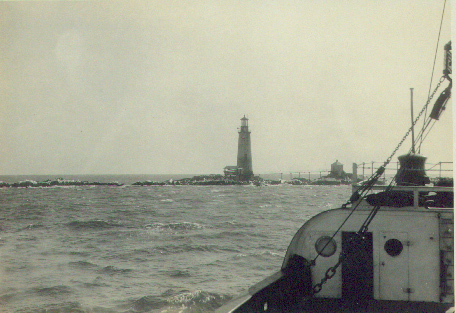
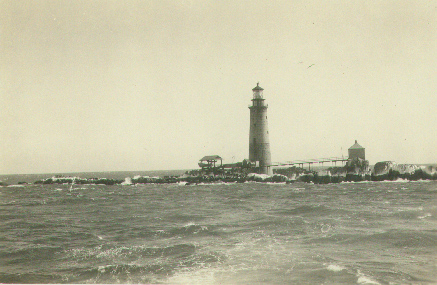
WRITTEN ON VERSO: THE GRAVES LIGHTHOUSE, BOSTON, MASSACHUSETTS, BUILT 1905, 98 FEET HIGH
CURATOR NOTES: Photo of lighthouse as seen from ship. From the website Austere and weather-beaten, Graves Light might appear to the uninformed observer to be a more ancient structure than Boston Light, its neighbor in Boston's outer harbor. Surprisingly, it's actually one of Massachusetts' youngest lighthouses. In 1843, the engineer I.W.P. Lewis expressed surprise that there was no beacon on the ledges known as the Graves. The ledges were named for Rear Adm. Thomas Graves, who came to America from London in 1628 and was an early settler of Charlestown, Massachusetts. U.S. Coast Guard An iron bell buoy was placed near the ledges in 1854. It was later replaced by a whistling buoy beyond the northeast end of the ledges. A new major shipping channel into Boston Harbor, the Broad Sound Channel, opened in the early 1900s, necessitating a lighthouse at the Graves. In 1902, Congress appropriated $75,000 for a lighthouse and fog signal, and Governor Crane of Massachusetts signed a deed conveying 435,400 square feet at the ledges to the federal government. The project ultimately cost $188,000, meaning a second appropriation of $113,000 was required in April 1904. Construction took place from 1903 to 1905, and Royal Luther of Malden, Massachusetts, was in charge. The style of Graves Light is very similar to Maine's Ram Island Ledge Light, built at about the same time. The granite for the tower was cut at Rockport on Cape Ann. Rock on the ledges was blasted, and the foundation was laid just four feet above the low tide mark. The first 42 feet were completed in the summer of 1903. While the granite was being put in place, the ironwork was being manufactured in Boston and a huge first-order Fresnel lens was being created in Paris. The summer of 1904 saw the lighthouse reach a height of 88 feet. Construction was completed during the following year. A granite oil house was built 90 feet south of the tower, reachable by a footbridge. On the night of September 1, 1905, Graves Light's first keeper, Elliot C. Hadley, lighted the most powerful light in Massachusetts history for the first time. The gigantic lens floated on 400 pounds of mercury. After the completion of Graves Light, a Lighthouse Establishment report stated: At so exposed a site the height necessary for the lantern above the heavier masses of spray, the consequent geographic range, its location so far seaward, the service of the light to the large commerce of Boston and modern ships of deep draft, make it perhaps the most important light north of Cape Cod. A poem by Henry J. Clark called "To 'The Graves'" was published in the Boston Globe the day the lighthouse went into service. It read, in part: Now thou art conquered, thy terrors are gone; Grim death is displaced, and life sits on thy throne: Secure on thy rock the light shines that saves And guides to the haven, Thou welcoming Graves. When it went into service, Graves Light was measured at 380,000 candlepower. The light was later upgraded to 3.2 million candlepower, and for many years it was the most powerful light in New England. The station was also equipped with a powerful Daboll fog trumpet. The tower is just over 30 feet in diameter at the base, and the lower stones held to each other with strong bolts are 7 feet thick. The lower 42-foot section of the tower was filled with concrete, with a space left for a cistern. The entrance door to the tower was at the top of a 30-foot ladder, which made entry difficult in rough weather. The first story was the landing and storage space, the second was the engine room containing the fog-signal equipment, and the third floor was the kitchen. The fourth and fifth levels contained the keepers' beds and a library. Handgrips were built into the outside of the lantern, which made the treacherous job of cleaning the outside of the glass a little easier. Two of the floors and all the walls were finished with enameled bricks. The handrails on the stairways were mahogany, and the rest of the woodwork was oak. A newspaper article described the rooms in the lighthouse as "reminiscent of cheery, compact little cabins on a smart steamer." In 1947, Graves Light served as a filming location to a movie crew working on the David O. Selznick production, Portrait of Jennie, starring Joseph Cotten and Jennifer Jones. Coast Guardsman Larry Bowers was stationed at Graves Light from 1961 to 1963. He later recalled one storm when waves knocked out the window on the first deck and destroyed the generator. He also remembered a summer visit from Edward Rowe Snow, who gave him a copy of his book Famous New England Lighthouses. There were problems in the 1970s with the mercury that served as a bearing for the rotating lens. Pedro Marticio later remembered: I was the last Coast Guard keeper of the Graves Light. I was there for two tours of duty I closed it down the first time due to a mercury spill, and after the light was decontaminated I went out for another year. The light was automated in 1976. The Fresnel lens, 12 feet high and nine feet in diameter, presently sits in storage at the Smithsonian Institution. For a period between 1981 and 1983, the light was powered by an emergency generator due to damage to the electrical cable from shore. Blake Rinker was in the Coast Guard at the time, and he remembers, "We aboard the U.S. Coast Guard Cutter White Heath had to fuel it every five weeks. We could always tell if we didn't get there in time because it was reported as an outage. Sometimes the seas were too rough to make a landing to fuel." On Christmas Eve of 1984, the light failed. A Coast Guard Aids to Navigation team headed out to the lighthouse and got the light back on. They just beat a bad storm back into Boston. The team's officer in charge, Chief Paul Driscoll, said "four guys almost spent Christmas night in a lighthouse instead of home with their families." Today crews working at Graves Light usually arrive by helicopter, landing on a small platform next to the tower Storms and vandalism have done their share of damage. The old walkway has been destroyed by storms, and vandals have caused thousands of dollars in damage. The fog signal house was swept away by the "Perfect Storm" of October 1991. The badly damaged landing platform was repaired in 1993. The original oil house still stands. The submarine cable from the town of Hull that powered Graves Light was damaged in a March 2001 storm. Three months later, the light was converted to solar power. A civilian crew working for the Coast Guard out of South Portland, Maine, did the job. The conversion ended the light's reliance on the submarine electrical cable. In The Islands of Boston Harbor, Edward Rowe Snow wrote: I shall not attempt to give you a description of the scene from the top of the Light but hope that some day you may journey to this far-flung ledge and see the splendid view for yourself. This is now almost impossible since automation, but you can get excellent views of Graves Light from various excursion boats and distant views from the towns of Winthrop, Nahant, and Hull. You can read much more about this lighthouse in the book The Lighthouses of Massachusetts by Jeremy D'Entremont. The crew that converted Graves Light to solar power, L to R: , Electrical Work Leader Fred S. Eggleston, Maintenance Mechanic Craig Smith, Electrician Al Wilson, Carpenter Work Leader Hugh Hicks, Helicopter Pilot Dale Hardy. The project was supervised by Chris Ledwith. Left, new electronic fog signals, and right, the new optics installed in June 2001 Keepers: Elliott C. Hadley (1905-1911); Elliott C. Hadley, Jr. (second assistant, 1908-1912, first assistant,1912-?); Robert M. McAfee (second assistant, 1906-1907, first assistant, 1907-1912); Thomas J. Creed (second assistant, 1909-1910); George L. Lyon (1911-?); William Anderson, Jr/ (second assistant, 1912-?); Henry Towle (c. 1914-1917); Harry Whin (First Assistant, c. 1915-1917); Bill Baldwin (Second assistant keeper, c. 1916); ? Carter (c.1917-1924); Octavius Reamy (assistant 1906-1907, keeper 1924-at least 1939); Allison Gregg Haskins (c. 1920s); Llewellyn Rogers (c. 1930s); George J. Fitzpatrick (first assistant, c. 1935); Raymond Burton (U.S. Coast Guard, c. 1945); Bernard Brady (Coast Guard, c. 1945); Robert H. Curran (U.S. Coast Guard, c. 1945); Charles Sidney Martin (U.S. Coast Guard, c. 1950); Gene Calmon (U.S. Coast Guard, 1952); ? Delany (U.S. Coast Guard, c. 1961); Larry Crouse (U.S. Coast Guard, 1961); ? Newman (U.S. Coast Guard, c. 1961); John Mariani (U.S. Coast Guard, c. 1961); ? Cookson (U.S. Coast Guard, c. 1962); Larry Bowers (U.S. Coast Guard, 1961-1963); Stephen Downey (Coast Guard, c. 1967), Edward Widborg (U.S. Coast Guard, c. 1966-1967), ? Butler (U.S. Coast Guard, c. 1966-1967), Allan Leto (U.S. Coast Guard, c. 1968), James Kreiger (U.S. Coast Guard, c. 1968), Pat Faiella (U.S. Coast Guard, c. 1970), Douglas Smart (Coast Guard, c. 1971), Sheldon Kaminsky (Coast Guard, 1970-1971), Pedro Marticio (?-1976).
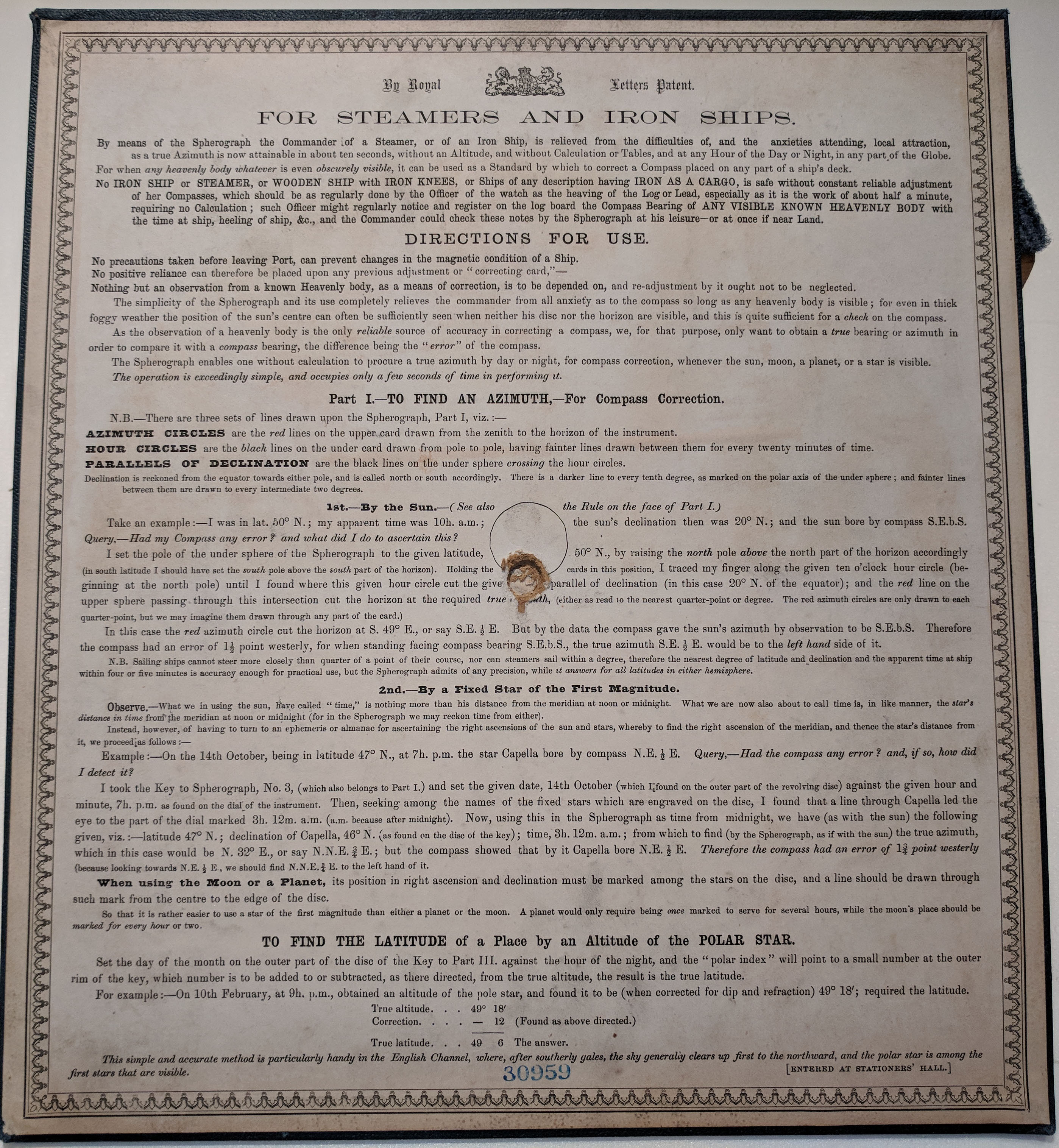
SHORT DESCRIPTION: Computing device, Saxby’s Spherograph No. 1., Part A, For Compass Correction in Iron Ships. Invented by Stephen Martin Saxby (1804-1883), a Lieutenant in the Royal Navy, in 1856. Drawn and engraved by Edward J. Powell. Printed by Waud & Graves, London. Probably dates to 1876. NOTES: Spherograph: An instrument for facilitating the practical use of spherics in navigation and astronomy, constructed of two cardboards containing various circles, turning upon each other in such a manner that any possible spherical triangle may be readily found, and the measures of the parts read off. Magnetic compasses often suffer from errors because of the effects of variations in the earth’s magnetic field or by the proximity of iron objects. The amount of correction needed to be applied to the compass could be determined by making a comparison between the indicated compass bearing of the azimuth of a sun or star with the same bearing calculated by a navigator with a sextant and chronometer, but it required the use of complicated calculations in spherical trigonometry. Around 1850, Stephen Martin Saxby, invented a computing device called a spherograph that enabled a navigator or ship captain to determine the true azimuth of the sun, moon, planet or a star, without having to complete intensive calculations, for the purpose of compass correction (how much error a compass is suffering from in an iron ship). The device was patented in 1856 but never really caught on. Saxby initially marketed the device as useful in Great Circle Sailing but after several major shipping accidents related to problems with compass correction (around 1876 or so) Saxby began marketing the device as an easy way to correct for compass errors. An advertisement that appeared in 1876 in The Law of Storms Considered, by William Henry Rosser indicates that Saxby's Patent Spherograph could be acquired in several parts: Part A: For Compass Correction in Iron Ships, &c., without an altitude, by day Part A & B: For Compass Correction, by day and night, by any visible Heavenly body, without an altitude Part C: For Great Circle Sailing or as now called, Short Tangent Sailing, without any calculation whatsoever and "The whole complete in one case." Transferred from the Library in 2018, see Collections Committee notes for details.
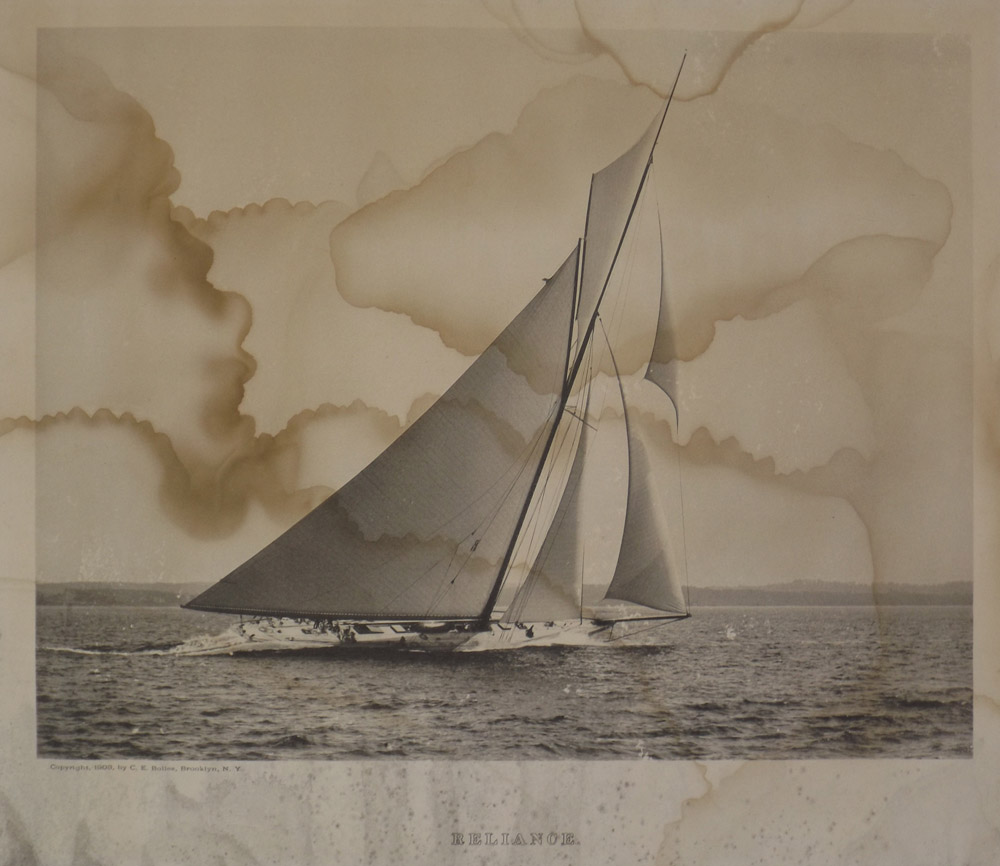 lp3721
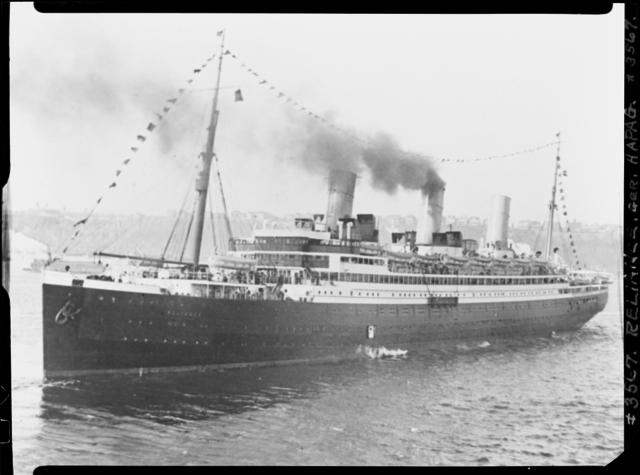 P0006-02-01-1877-03
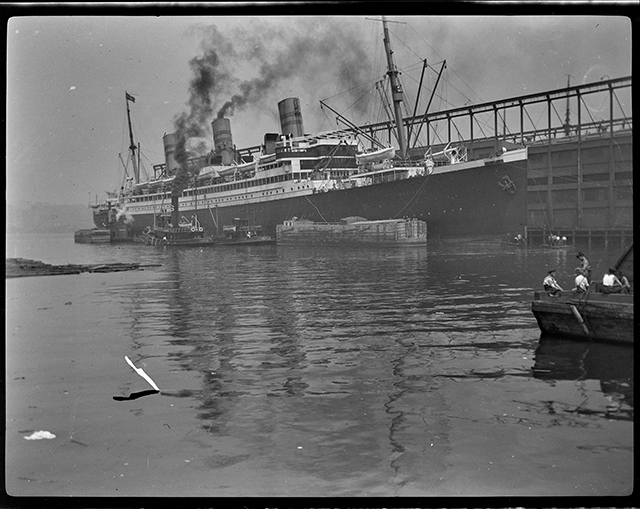 MS0091-03-01-85-044
 MS0091-03-01-86-083
 P0001.022-01 - PY0087
 P0001.022-01 - PY0088
 1940.0261.000001
 P0006-02-01-1877-01
 P0001.022-01 - PY00851
 P0001.022-01 - PY0086
 MS0091-03-01-86-036
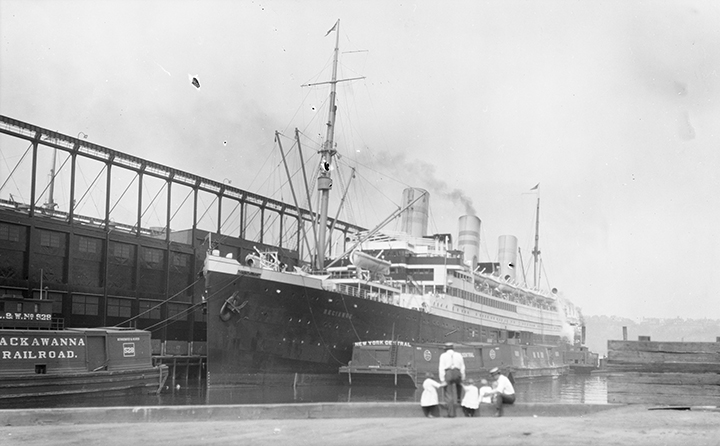 MS0091-03-01-47-039
 MS0091-03-01-47-040
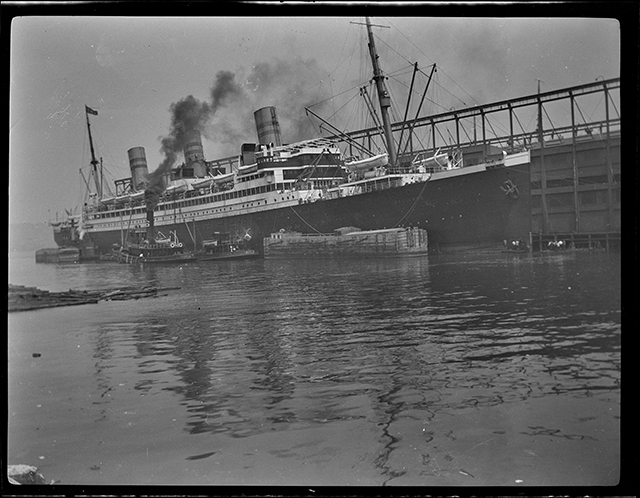 MS0091-03-01-85-043
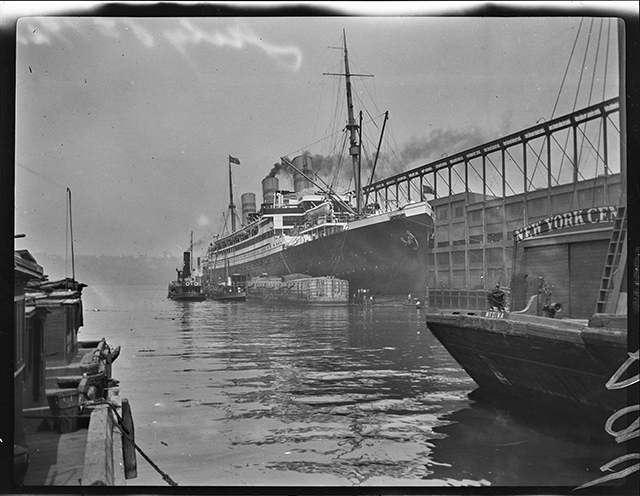 MS0091-03-01-85-045
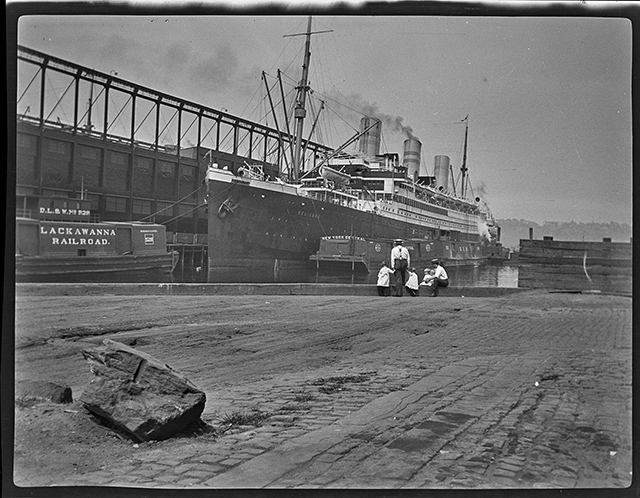 MS0091-03-01-85-046
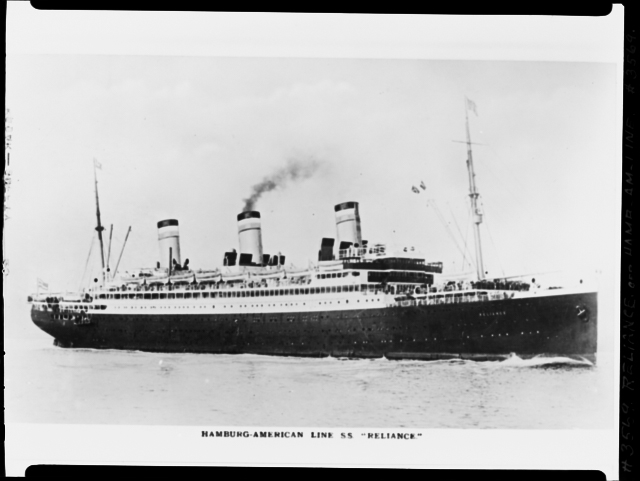 P0006-02-01-1877-02
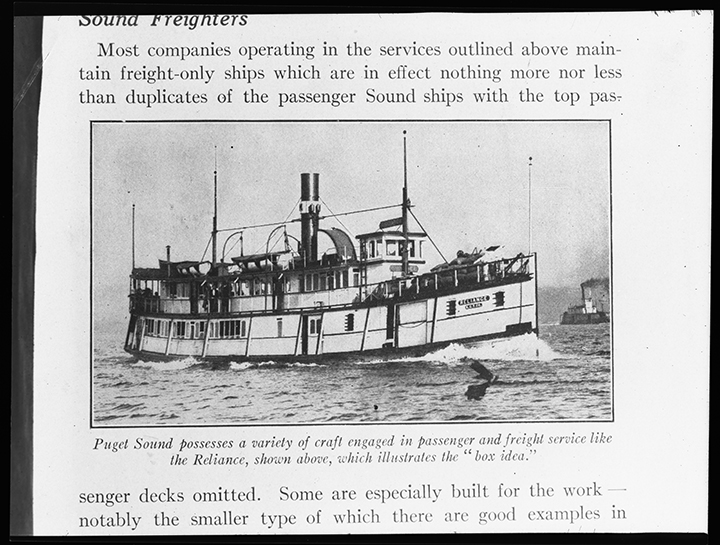 MS0091-03-01-47-038
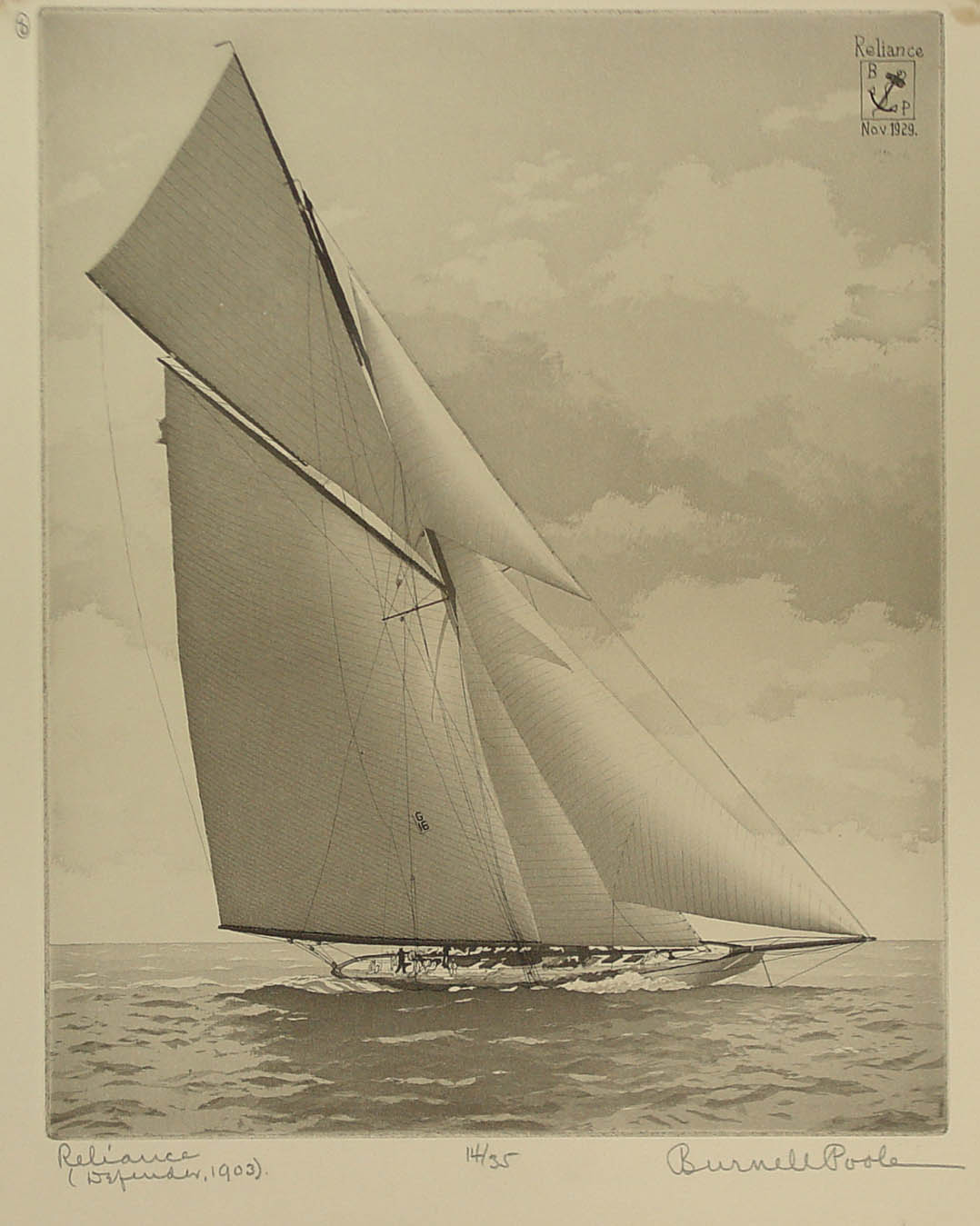 Full-size image
 Full-size image
 MS0094-604 Reliance
 P0001.003-01 - PB21047
 Full-size image
 lp6261
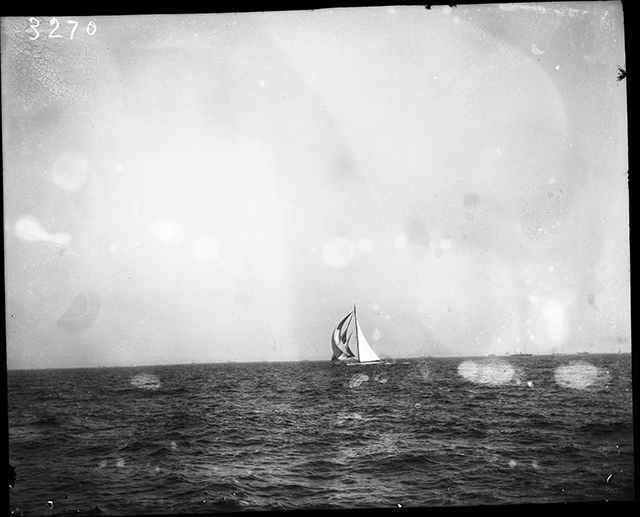 MS0094-3270 Reliance
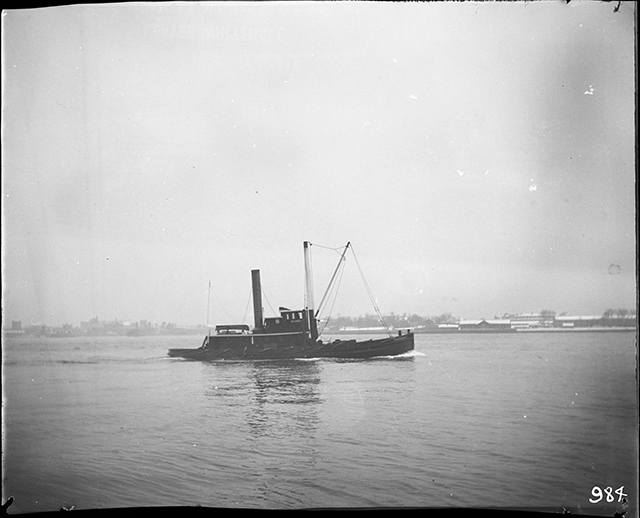 MS0094-984 Relianer
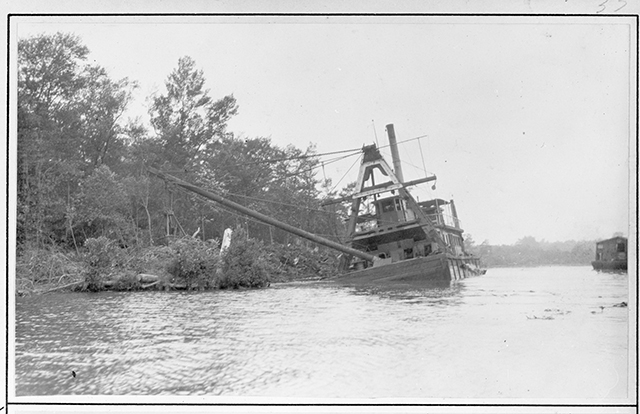 MS251-1-127
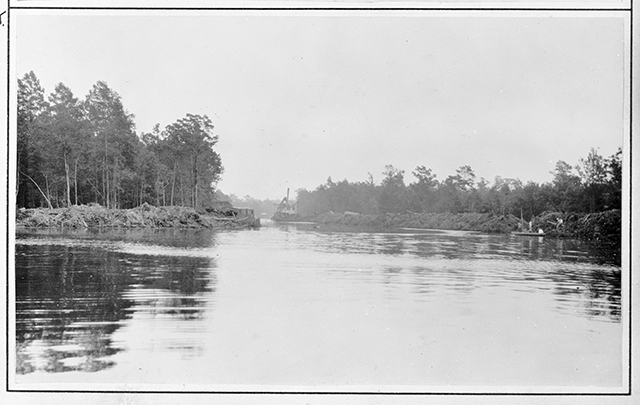 MS251-1-128
 12-07-46a
 mm278
 Full-size image
 1936.0936.000001
 12-07-53a
 2020.0010.000003
 MS0094-3276 Chetolah
 1951.0709.000001
 Full-size image
 MS0091-03-01-10-017
 MS0091-03-01-54-076
 Full-size image
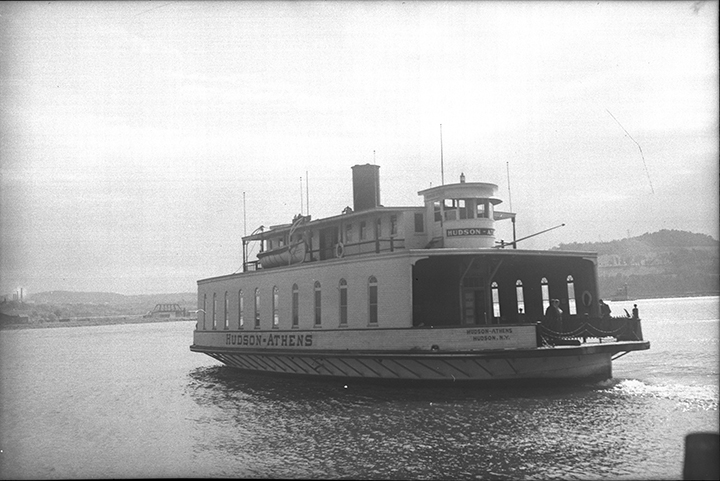 MS0091-03-01-26-016
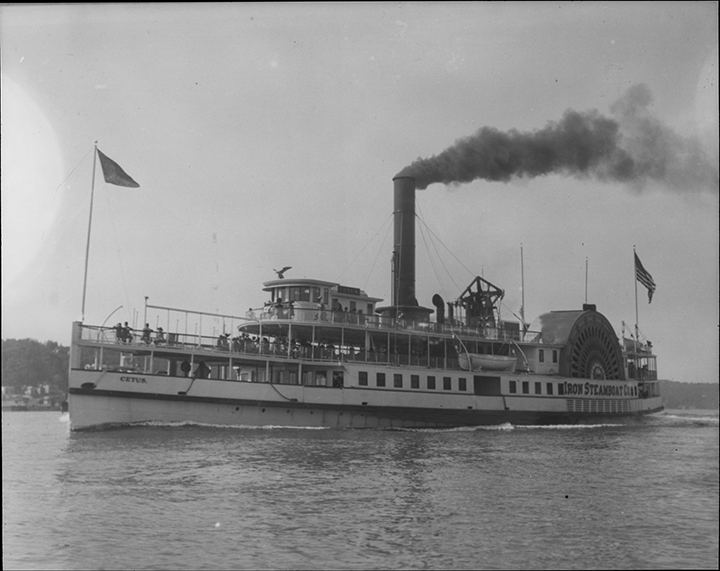 MS0091-03-01-10-018
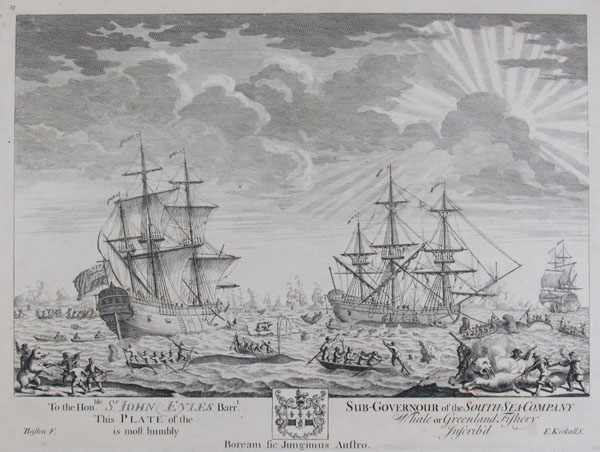 le2112
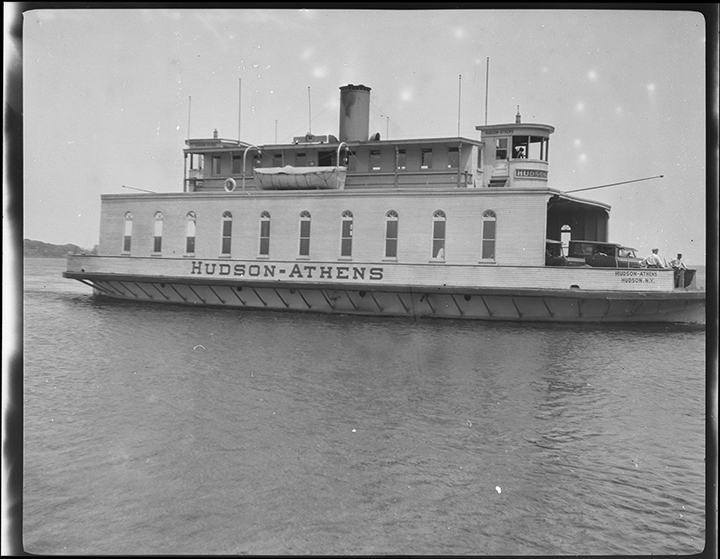 MS0091-03-01-26-015
 MS0091-03-01-10-013
 MS0091-03-03-055
 lp2012
 1989.0001.000001[1]
 Full-size image
 Full-size image
 Full-size image
 MS0190.01.26.01
 Full-size image
 1947.0005.000001 Directions for use